Sargassum Crisis Hits New Record Highs across the Mexican Caribbean Beaches
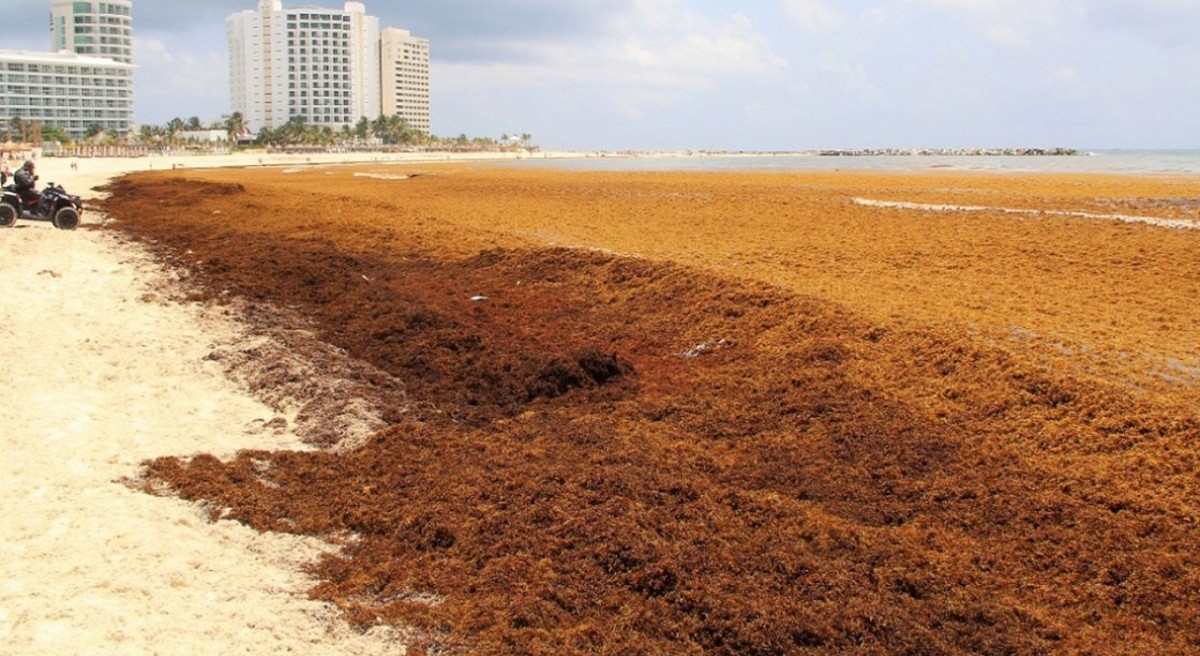
The massive arrival of sargazo has triggered an environmental and economic emergency across the Mexican Caribbean, severely impacting major tourism hubs throughout Quintana Roo. Satellite monitoring systems and local authorities confirm that the volume of this brown macroalgae has surpassed records from previous seasons, transforming iconic turquoise waters into dense brown blankets. The phenomenon, fueled by rising ocean temperatures and nutrient overloading in the Atlantic, keeps municipal governments and the private sector on permanent alert.
Local monitoring networks report that the distribution of the seaweed remains highly volatile but deeply disruptive. The Riviera Maya, Playa del Carmen, and the southern coastline of Mahahual are currently facing the most severe impacts, with coastal accumulations classified as excessive. Conversely, northern destinations like Cancún and Isla Mujeres have managed to maintain regular operations due to favorable wind patterns, keeping their beaches relatively clean for international travelers.
In response to this ecological threat, the Mexican Navy (SEMAR), in coordination with hotel brigades and local volunteers, has deployed a multi-layered defense strategy. This operation includes installing miles of maritime containment barriers, utilizing specialized sargazo-skimming vessels, and deploying heavy machinery on the sand. However, tourism operators admit that the overwhelming volume of daily landings frequently bypasses these barriers, leaving beaches saturated within hours.
The crisis extends far beyond the visual deterioration of the coastline. As the sargazo accumulates on the shoreline, its packet decomposition releases toxic gases like hydrogen sulfide and ammonia, generating unbearable odors for tourists and residents alike. Environmental scientists warn that the resulting leachate—which introduces heavy metals and organic nutrients into the aquatic system—is causing severe hypoxia (oxygen depletion), smothering local seagrass beds and accelerating the bleaching of the Mesoamerican Barrier Reef System.
Hoteliers and tourism operators are expressing deep concern over the long-term economic repercussions. While large resorts invest millions of dollars annually in private containment webs and manual labor to clear their shorelines, small businesses and public beaches struggle to stay afloat. Industry leaders are demanding a unified federal fund and large-scale industrial processing solutions, warning that the continuous influx could permanently alter booking trends in the region's vital hospitality sector.