
European Union Fast-Tracks "Biometric Borders" for Summer 2026
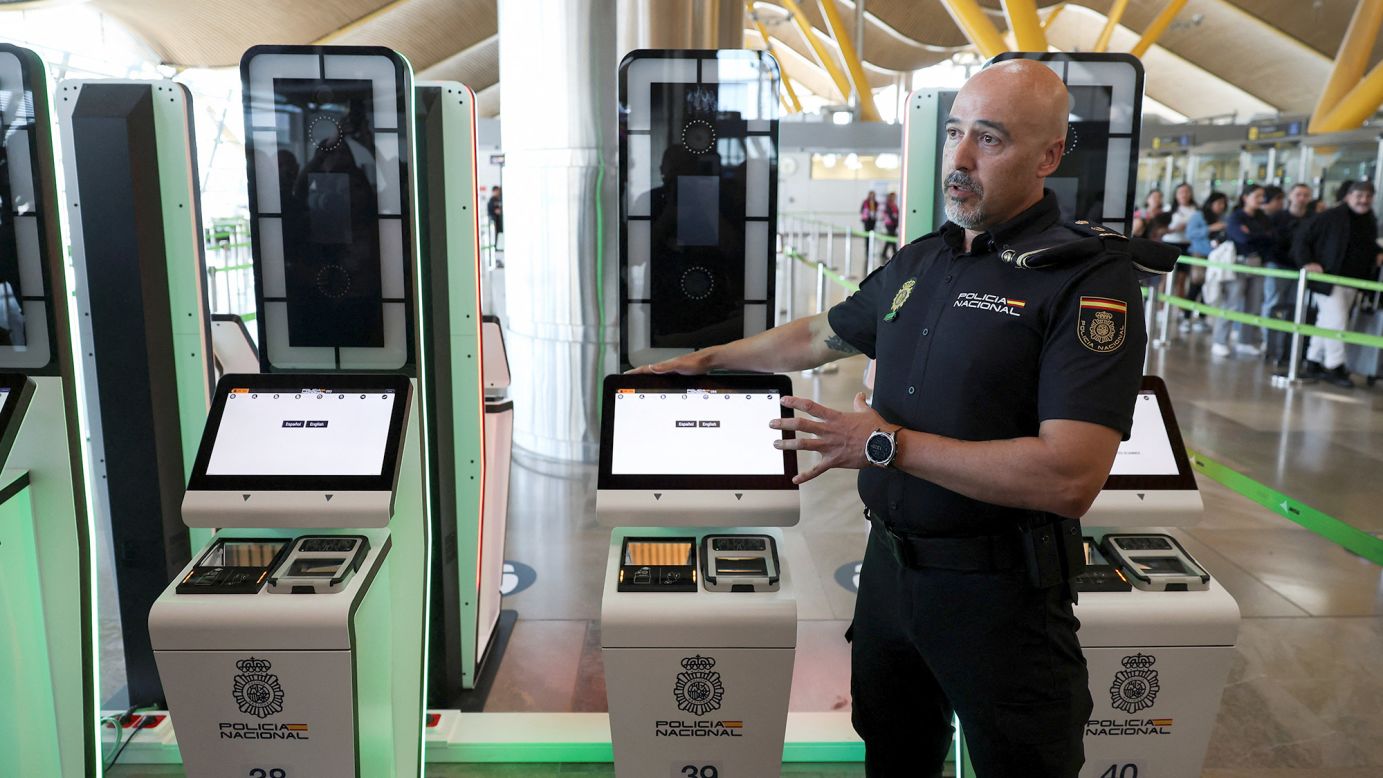
The European Commission announced today that it will fast-track the full implementation of the Entry/Exit System (EES), moving the deadline to June 1 to stay ahead of the "summer travel surge."
This "digital frontier" will replace traditional manual passport stamping with biometric registration, including facial images and fingerprints, for all non-EU citizens entering the Schengen Area. The move is intended to "bolster security" and provide "real-time data" on overstayers, effectively "digitizing the European perimeter" for the first time in history.
Major gateways like Paris Charles de Gaulle and Frankfurt Airport have already begun installing "automated kiosks" to handle the expected logistical volume.
However, travel industry groups, including ABTA, have expressed concerns regarding "initial processing delays" as travelers adjust to the new fingerprint requirements. To mitigate this, the EU is launching a "massive awareness campaign" titled "Scan, Smile, Stay," targeting travelers from the United Kingdom, United States, and Canada with step-by-step instructional videos.
For the 2026 international voyager, the EES represents a "fundamental shift" in how they interact with border control. While the initial "registration phase" may take several minutes per person, subsequent entries are expected to be "near-instantaneous" via biometric gates.
This "long-term efficiency" is a key pillar of the EU’s strategy to manage a "projected 15% increase" in international arrivals over the next three years. Travelers are advised to ensure their biometric passports are in good condition and to "allow extra time" for their first entry this summer.
The "data-sharing agreement" between member states will also allow for "more targeted security screenings," reducing the "wait times for low-risk travelers." However, privacy advocates are "monitoring the rollout" closely to ensure that data protection standards remain "strictly aligned" with GDPR regulations.
The "European digital border" is a bold experiment in "smart governance," aiming to make the continent's "open-door policy" both "secure and seamless" in an increasingly complex global environment.