Trump Team's Deep Ties to the Spirit Bailout Negotiations
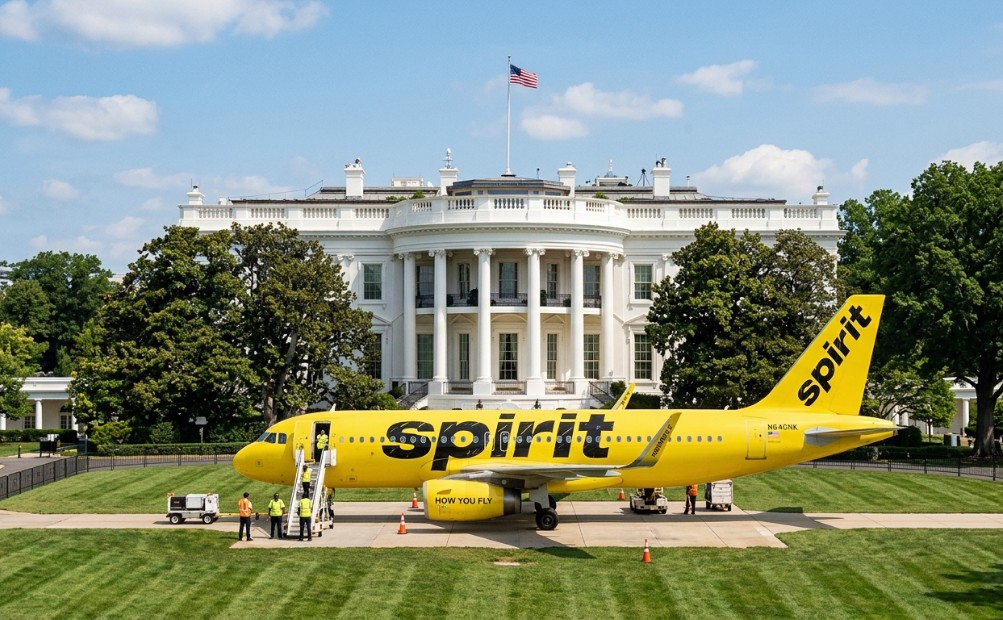
The high-stakes federal rescue of Spirit Airlines has brought renewed scrutiny to the personal and professional connections between President Trump’s inner circle and the airline’s leadership.
While no direct evidence suggests a pre-existing business partnership, the current administration’s Commerce Department has become the primary architect of a deal that could fundamentally reshape the aviation industry.
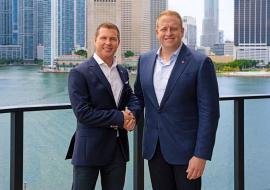
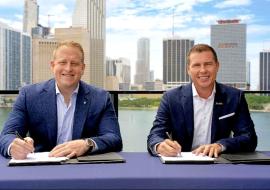
Commerce Secretary Howard Lutnick has emerged as the central figure in these negotiations, acting as the bridge between the White House and Spirit CEO Ted Christie.
The relationship between the administration and Spirit’s front office is largely defined by Howard Lutnick, the billionaire head of Cantor Fitzgerald now leading the Commerce Department. Lutnick’s extensive background in distressed asset management and corporate restructuring has colored the administration’s approach to the airline's insolvency.
Industry insiders suggest that Lutnick’s aggressive strategy to take a 90% stake in the carrier reflects a "Wall Street style" takeover rather than a traditional government subsidy. This approach has reportedly found a receptive audience in Spirit’s executive suite, as the leadership views a federal takeover as a preferable alternative to total liquidation.
The Role of Steven Witkoff
Beyond the official cabinet, Steven Witkoff, a close confidant of the President and a prominent real estate developer, has also been linked to discussions regarding the airline's survival. Witkoff’s involvement in high-level economic policy discussions has raised questions about whether the administration views Spirit more as a strategic infrastructure asset than a standard commercial entity.
The administration's focus on Spirit’s aircraft fleet and airport slots aligns with Witkoff’s traditional focus on real estate and tangible asset value. This synergy has fueled speculation that the "hidden reason" for the bailout is a desire to recapitalize the airline and sell it to private interests favorable to the administration later.
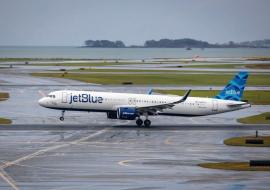
A significant point of mutual interest between the Trump administration and Spirit’s front office is their shared frustration with previous antitrust enforcement. Spirit’s leadership has been vocal about the damage caused by the Biden administration’s successful blocking of the JetBlue merger.
The Trump administration has capitalized on this sentiment, framing the rescue package as a way to "undo the damage" caused by regulatory overreach. By aligning with the Spirit front office against past Department of Justice decisions, the President has fostered a collaborative relationship aimed at preserving the carrier's operational footprint.
The Defense Production Act Pivot
The relationship also extends into the realm of national security, with reports indicating that Spirit executives have been in direct talks with Pentagon officials. The administration’s interest in using the Defense Production Act suggests a deal where the "front office" essentially cedes operational control of a portion of its Airbus fleet to the government.
This defense-first alignment creates a unique bond between the Spirit board and the administration’s security apparatus, providing the airline with a legal shield against creditors while giving the Trump administration a massive increase in airlift capacity during the current global crisis.
Lobbying Efforts and Campaign Contributions
While Ted Christie and the Spirit board have maintained a relatively low political profile, the airline has significantly increased its lobbying presence in Washington since the Chapter 11 filing. Reports indicate the airline has engaged firms with deep Republican ties to navigate the Treasury Department’s requirements for federal aid.
As the April 30 deadline approaches, the synergy between the Spirit front office and the White House will be tested. Whether this relationship is one of strategic necessity or crony capitalism remains a point of intense debate in Congressional oversight committees.