Beyond Sun and Sand: The Global Rise of Industrial Tourism
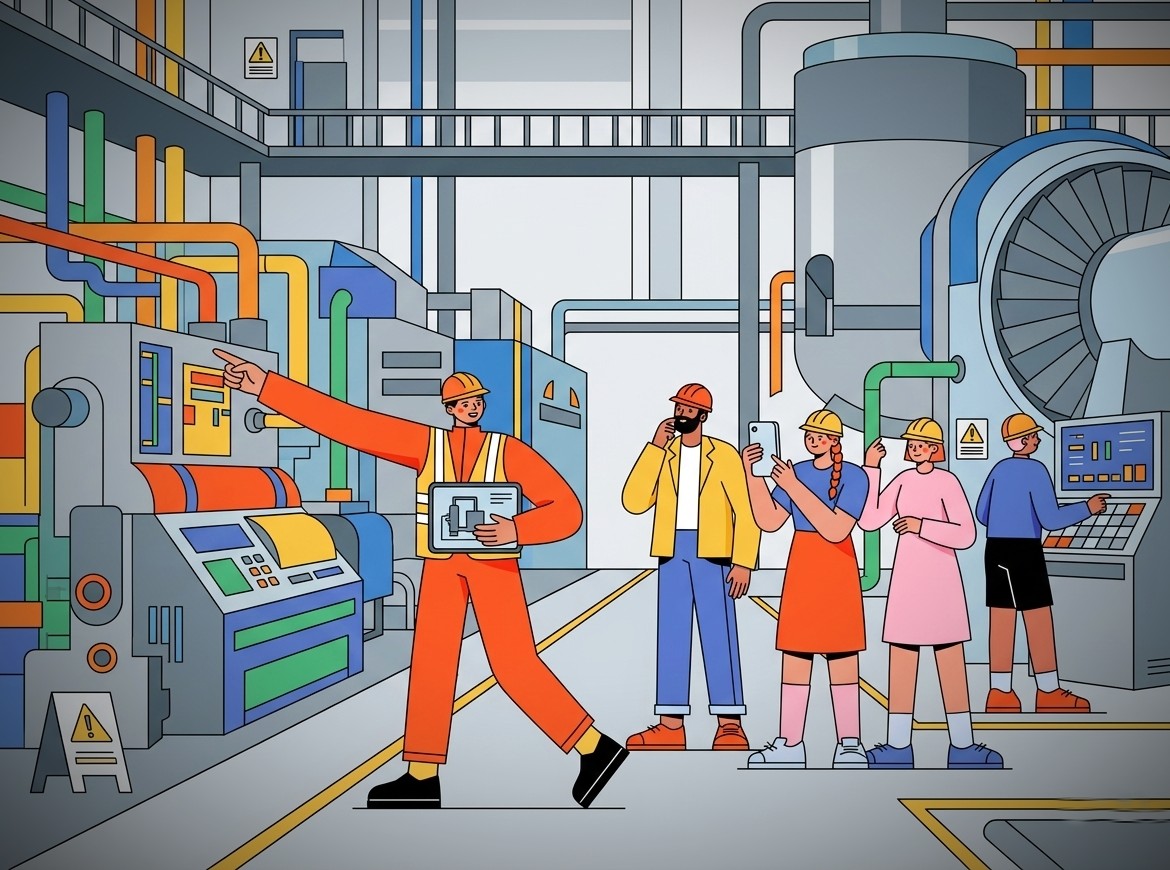
The traditional concept of travel is undergoing a profound transformation. Static beach vacations and overcrowded historic city centers are increasingly sharing the spotlight with a vigorous, emerging alternative: industrial tourism.
This niche market, which spans from tours of operating high-tech factories to the exploration of abandoned mining and steel complexes, has consolidated as a strategic sector. Driven by a growing consumer demand for authentic, immersive experiences, the global market for this specialty is projected to exceed $4.4 billion, with growth rates that are actively redefining the international leisure landscape.
The key to its success lies in a dual economic and cultural value. On one hand, living industry tourism satisfies the curiosity of contemporary consumers by allowing them to discover the origins of everyday products, from robotized vehicles to artisanal chocolates, boosting corporate reputation in the process.
On the other hand, industrial heritage tourism rescues the socio-economic and architectural history of old manufacturing basins, transforming what was once urban decay into a powerful engine for sustainable development. In this scenario, several nations have taken the lead, designing specific public policies and corporate alliances that turn assembly lines and decommissioned mines into premier visitor attractions.
Germany and the Creative Rebirth of the Ruhr Region
Germany stands as the undisputed global benchmark in managing and commercializing industrial heritage. Following the decline of coal mining and steel production in the late 20th century, the Central European nation chose heritage preservation and economic reconversion over demolition. The crown jewel of this strategy is the Industrial Heritage Trail, a 250-mile tourist route looping through the Ruhr region that connects former factory complexes repurposed into vibrant cultural, artistic, and recreational spaces.
The most iconic example of this transformation is the Zollverein Coal Mine Industrial Complex in Essen, a UNESCO World Heritage site. Once the largest coal mine in Europe, the facility is now a dynamic cultural hub housing design museums, restaurants, and event spaces that draw millions of international visitors annually.
Similarly, the Landschaftspark Duisburg-Nord transformed an abandoned smelting plant into a public park where visitors can climb decommissioned blast furnaces or scuba dive in former gas tanks, proving how industrial archaeology can spark an entirely new economic ecosystem.
France and the Commercialization of "Living Industry"
As the world's top tourist destination, France has successfully diversified its portfolio far beyond historic monuments and haute cuisine by betting heavily on corporate tourism and operating factory visits. Through the national association Enterprise et Découverte, the country actively promotes opening active businesses to the general public—an initiative backed by government ministries to enhance the national brand and stimulate regional economies.
The French strategy leverages both traditional craftsmanship and high-tech manufacturing. In the Toulouse region, tours of the Airbus final assembly lines draw aviation enthusiasts from around the globe, offering a behind-the-scenes look at modern aerospace engineering.
On the artisanal side, the legendary wine routes of Bordeaux and Champagne, alongside guided tours of historic perfume factories in Grasse, combine demonstrations of production processes with direct-to-consumer sales, establishing a highly profitable business model that bridges cultural identity and commercial success.
Japan and Showcasing the Future of Manufacturing
In Asia, Japan leads the segment by seamlessly integrating industrial tourism into its national strategy for economic competitiveness and technological innovation. For the Japanese government, opening the doors of its most advanced corporations serves as both a tourism driver and a global stage to showcase its leadership in automation, robotics, and precision manufacturing, a concept known locally as Monozukuri.
Tours through the plants of leading automotive brands, such as Toyota's complexes in the Aichi prefecture or Nissan's advanced facilities, operate with extraordinary sophistication. These venues utilize elevated observation walkways over robotized production lines combined with interactive visitor centers.
Furthermore, the East Asian nation promotes scientific tourism through organized access to research and development facilities. This comprehensive approach not only attracts professionals and STEM students but also appeals to a growing segment of family tourism looking to understand the technological trends that will shape global society tomorrow.