Brand USA boosts tourism ahead of the 2026 World Cup with initiative ‘America the Beautiful Game’
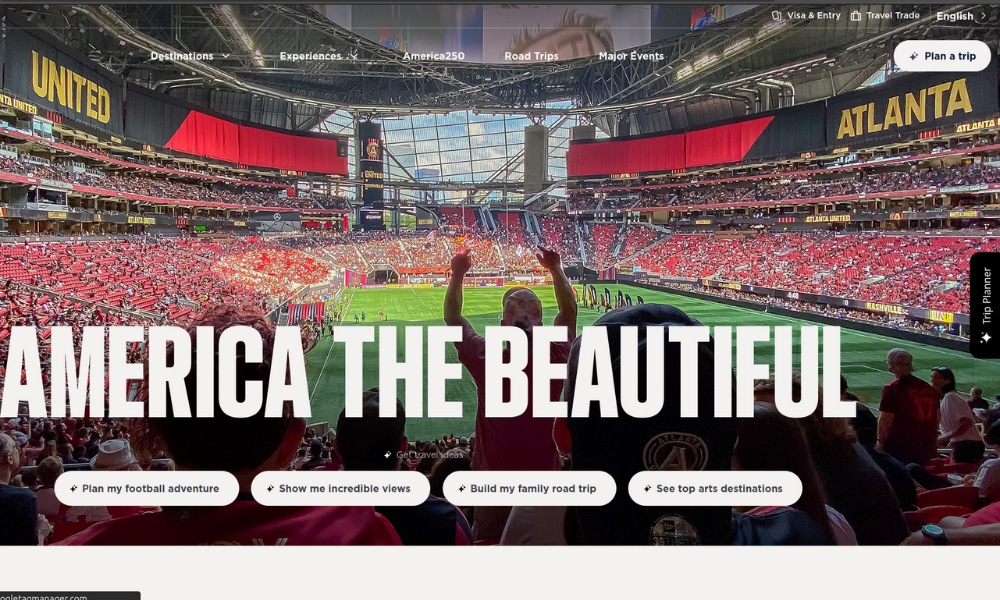
The FIFA World Cup 2026 represents a global tourism opportunity of unprecedented scale with its triple host location, shared between the USA, Canada and Mexico. With millions of fans expected to travel between host cities and countries, the tournament is set to become one of the most powerful drivers of international tourism in the coming decade. According to it, Brand USA, the official destination marketing organization for the United States, has launched America the Beautiful Game, an initiative designed to attract and support travelers during the World Cup.
The project is structured around a digital travel-planning hub specifically tailored to football fans, with the aim of guiding them through every stage of the competition. The platform allows users to explore road trip itineraries, destination experiences and new travel routes, aligned with match schedules and host city locations.
Beyond the sporting element, America the Beautiful Game places strong emphasis on experience diversification, incorporating culinary, cultural and leisure offerings, both football-related and beyond the matches themselves. This approach encourages longer stays and increases the economic impact across host destinations.
America 250, experiencies with an aim
Adding further relevance, the 2026 World Cup will coincide with the 250th anniversary of the founding of the United States. To mark the occasion, the platform features a dedicated America 250 section, showcasing 250 experiences and activities across the country throughout 2026, reinforcing the destination’s appeal beyond the sporting calendar.
The initiative aims to capitalize on international visitor flows by providing advanced trip-planning tools, facilitating travel bookings and positioning the United States not only as a World Cup host, but as a comprehensive destination where football, history and culture converge.
Regional experiencies expanding interests
Moreover, the diversity of host cities and the convergence of national teams allow fans to enjoy distinct regional experiences, combining match days with the discovery of each city’s local heritage. This strategy transforms World Cup attendance into a tailor-made tourism journey, maximizing both visitor experience and nationwide economic impact.