European Commission Tightens Tourist Visa Guidelines for Russian Citizens
Brussels Recommends Stricter Vetting, Non-Acceptance of Non-Biometric Passports, and Targeted Bans on Combatants and State-Aligned Athletes Alongside Proposed 22nd Sanctions Package
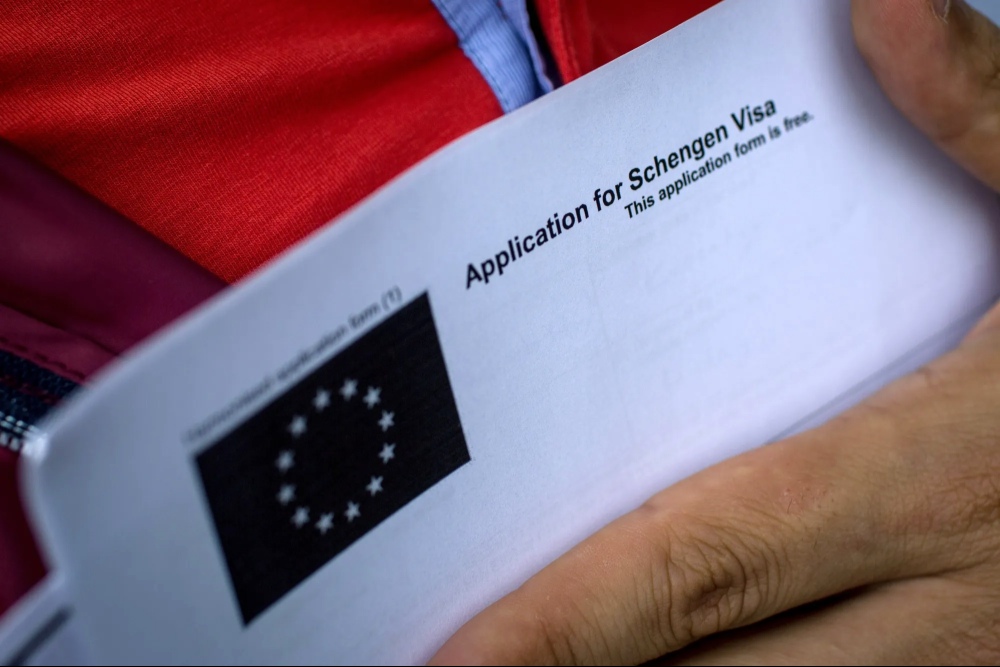
The European Commission has unveiled tightened visa restrictions between the European Union and Russia, stepping up scrutiny of tourist visa applications and border checks across the Schengen Area alongside its proposed 22nd sanctions package against Moscow.
Adopted on November 23, 2026, the revised guidelines intensify vetting for travel requests and harden external border verifications as part of the bloc's response to Russia's war against Ukraine—without imposing a blanket ban on Russian tourists entering the EU, according to Reuters and Associated Press reporting on the same day. Brussels draws a clear distinction between stricter scrutiny for ordinary applicants and targeted entry bans for specific categories, a nuance with direct operational implications for European tourism operators serving the Russian source market.
Specifically, the Commission recommends applying a particularly strict standard to non-essential travel requests and advises member states not to accept non-biometric Russian passports over security concerns and document-fraud risks. The updated rules also call for more thorough individual assessments for Russian nationals entering the Schengen Area regardless of departure point, meaning transit through a third country would not exempt travelers from heightened checks.
Border authorities are urged to conduct interviews and systematic fingerprint checks via the Schengen Information System (SIS), while logging entry refusals on public-order or internal-security grounds to deter attempts to cross at other border points—maintaining case-by-case evaluations rather than automatic blanket rejections.
The guidance also backs implementing a visa ban targeting current and former Russian combatants—whose legal foundation was established in the 21st sanctions package—covering individuals who served in Russian armed forces or affiliated armed groups since February 24, 2022, particularly in combat operations against Ukraine, as well as foreign nationals fighting in those formations.
To aid screening, the Commission updated documentation requirements to permit military service questionnaires, personal declarations, and military records, while formal enactment of the ban depends on a decision by the Council of the European Union and the broader sanctions package requires backing from all 27 member states.
Unveiled on November 23 by European Commission President Ursula von der Leyen—and alongside measures targeting Russian financial institutions, cryptocurrency platforms, and other economic activities, according to Reuters—the proposal also introduces additional sports and cultural scrutiny.
Once adopted, EU member states should consider denying visas to Russian athletes competing to represent the Russian state under national symbols such as flags, anthems, or uniforms—without triggering an automatic ban on every Russian athlete—and monitor state-sponsored individual artists more closely for cultural performances supporting the war against Ukraine.
For European tourism, the measures build on earlier shifts including the 2022 suspension of the visa facilitation agreement and stricter multiple-entry visa rules in November 2025, against a backdrop in which the refusal rate for applications filed in Russia reached 6.4% in 2025 compared with 7.5% in 2024, and a June 2026 EU ministerial statement cited 477,878 Schengen visas issued to Russian citizens for tourism during 2025.
Although the Commission had not set a numerical cap on tourist visas or enacted a total leisure-travel ban as of November 24, 2026, the tightened rules affect compliance and booking procedures for tourism businesses, while preserving safeguards for human rights defenders, dissidents, independent journalists, and humanitarian considerations for Ukrainians who received Russian nationality against their will.