Expanded U.S. Entry Bans Impact International Student and Business Travel
The travel landscape in the United States has been significantly reshaped today following the full implementation of a major presidential proclamation that expanded entry restrictions to 39 countries.
As of mid-January 2026, the policy—which cites national security and vetting deficiencies—is now in its second week of active enforcement. The ban divides the affected nations into two categories: "full suspension," barring almost all entry, and "partial suspension," which specifically targets common visitor categories like business, tourism, and student visas.
For international students holding F, J, or M visas from the 20 partially restricted countries—including Nigeria, Venezuela, and Antigua and Barbuda—the situation is particularly critical. While those already inside the U.S. maintaining valid status are not currently affected, any student who left for the winter break without a valid re-entry visa issued before January 1st is now finding it impossible to return for the spring semester. University administrators across the country are scrambling to provide remote learning options for those stranded abroad.
Business travelers from these regions are also facing immediate hurdles as B-1 and B-2 visas for tourism and professional meetings are no longer being issued. Corporate travel departments in major hubs like New York and London are being forced to relocate global summits or transition to virtual formats to accommodate key stakeholders who can no longer enter the U.S. This shift is expected to have a ripple effect on the business travel economy, particularly in the tech and energy sectors where international collaboration is essential.
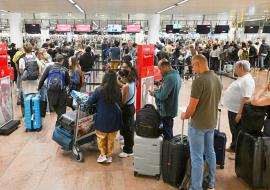
Legal experts advise that the proclamation does not revoke existing visas that were issued before the January 1st deadline, meaning some travelers may still enter if their documents are currently valid. However, they warn that border officials are exercising "enhanced scrutiny," leading to longer wait times and secondary inspections at major gateways like JFK and LAX.
Travelers from the listed nations are being urged to consult with immigration counsel before attempting to depart the U.S., as re-entry is no longer a guarantee.