Host Cities and the World Cup Travel Landscape
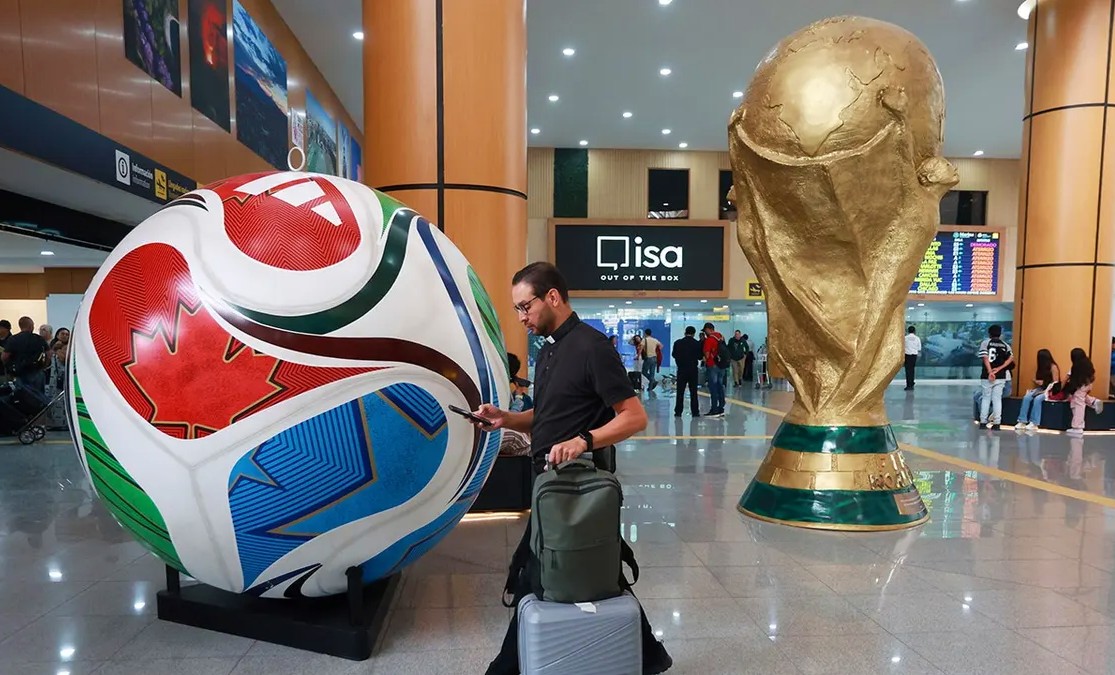
As the 2026 FIFA World Cup progresses past its midpoint, the impact on host cities reveals a complex narrative of soaring fan engagement contrasted with uneven results in the hospitality sector. While stadiums are consistently reaching capacity, the anticipated "tourism windfall" has manifested in unique ways, shaped by the tournament's expansive, multi-nation geography.
Economic and Tourism Impact
The tournament's scale—spanning 104 matches across 16 cities in the United States, Mexico, and Canada—has turned host cities into hubs of international activity.
-
Regional Variance: While official projections for economic impact remain high, with an estimated $3–$4 billion contribution from U.S. host cities, the experience on the ground is variable. Cities like Vancouver have reported massive success, with "full house" sellouts at BC Place and significant boosts in public transit ridership and restaurant business.
-
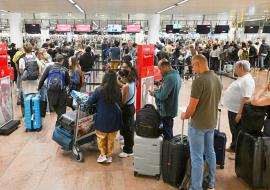
The "Patchy" Hospitality Effect: In many U.S. host regions, hotel performance has been inconsistent. Occupancy rates are spiking sharply on match days, particularly in hotels proximate to stadiums, but often drop off quickly once the game concludes. Industry analysts point to a "fragmented travel behavior" where fans are opting for shorter, single-city stays rather than the multi-city itineraries originally forecast by some hospitality groups.
-
Price Sensitivity: Some international visitors have shown more price sensitivity than anticipated, leading to lower-than-projected conversion rates for hotels in certain markets, even as ticket demand for matches remains exceptionally robust.
Infrastructure and Visitor Experience
To meet FIFA’s mandate for improved match-day transit, cities have implemented significant infrastructure upgrades, focusing heavily on mass transit to manage the influx of hundreds of thousands of fans per match day.
-
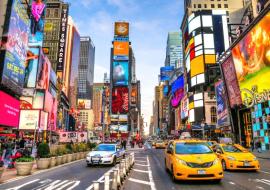
Public Transit Focus: Host cities are prioritizing shuttle networks, bus lanes, and expanded rail access. New York City, for example, has designated specific match days as "Gridlock Alert Days," deploying dedicated shuttle buses and restricted truck delivery zones to ensure the efficient movement of spectators toward the New York New Jersey Stadium.
-
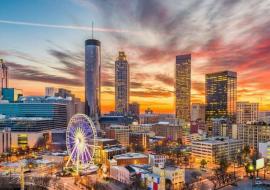
Sustainability Challenges: The tournament's footprint remains a point of contention. While cities like Atlanta have leveraged the event to showcase high-level resource recovery and waste diversion at venues like Mercedes-Benz Stadium, critics argue that the sheer volume of air travel necessitated by a 16-city, three-nation format significantly offsets these local sustainability gains.
What Tourists are Saying
The fan experience is currently defined by high enthusiasm for the matches themselves, though the travel logistics between venues remain a frequent topic of conversation among international visitors.
-
Positive Engagement: Fans are responding strongly to local "Fan Festivals," which have become key touchpoints for community interaction, especially in cities like Vancouver and Atlanta, where these zones have successfully drawn tens of thousands of spectators even beyond those with stadium tickets.
-
Mixed Logistics Feedback: On digital forums and social platforms, visitors have noted the intensity of the event. While the atmosphere inside the stadiums is widely lauded as historic, some travelers have expressed that the sheer distance between host cities and the variability in hotel availability have made "tournament-hopping" more challenging than they initially expected.