Milano-Cortina 2026 Winter Olympics Kick Off Amid Regional Boom
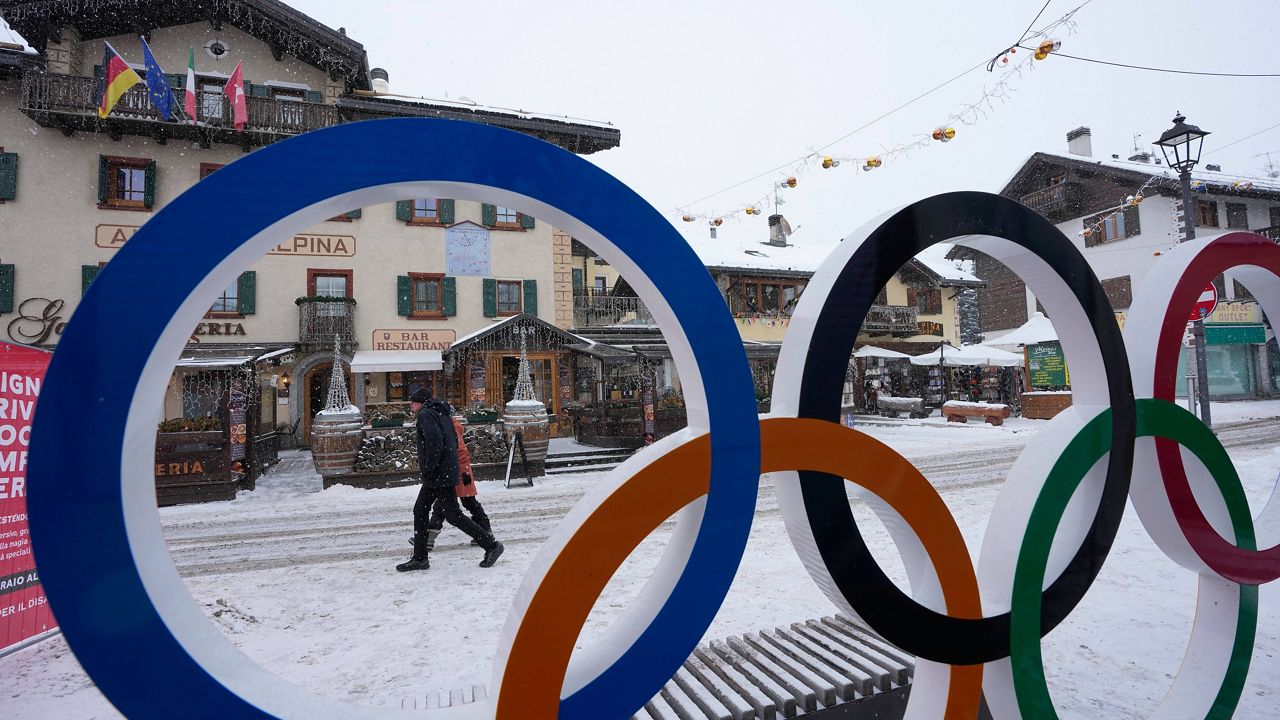
The eyes of the world turned to Northern Italy today as the Milano-Cortina 2026 Winter Olympics officially opened, marking the first time the Games have been co-hosted by two major entities.
Unlike the centralized "Olympic Village" models of the past, the 2026 Games are dispersed across the Lombardy and Veneto regions, creating a massive tourism "stress test" for Italy’s infrastructure. From the high-fashion streets of Milan to the jagged peaks of Cortina d’Ampezzo, the hospitality sector is reporting record-breaking occupancy rates and a significant surge in international arrivals from North America and Asia.
This "decentralized" approach is a centerpiece of the IOC’s new sustainability goals, utilizing existing venues to reduce the environmental and financial costs of the Games. For the 2026 traveler, this means that the "Olympic atmosphere" is not confined to a single stadium but is palpable throughout the Dolomites and the Italian Alps. Transport authorities have launched special "Olympic Express" high-speed rail links to connect the venues, though they are currently advising non-ticket holders to avoid the Milan-to-Cortina corridor due to extreme congestion.
Despite the excitement, the opening has not been without its logistical hurdles. Hotel prices in the host cities have reached historic highs, with some boutique properties in Cortina reporting nightly rates exceeding $1,500. This "Olympic effect" is also spilling over into nearby Venice and Verona, which are serving as primary overflow hubs for fans who cannot find or afford accommodation in the primary venues. Local residents in the Dolomites have expressed mixed feelings, balancing the economic windfall with the disruption to their quiet mountain lifestyles.
Security remains a top priority, with over 10,000 Italian police and military personnel deployed to ensure the safety of athletes and spectators. The "Digital Iron Curtain" of 2026 is also in full effect, with advanced biometric scanning at venue entrances and "smart city" surveillance monitoring crowd densities in real-time. This level of technology is being hailed as the "future of event security," but it has also sparked debates regarding privacy and the "frictionless" nature of modern international travel.
For those visiting Italy this month, the message is one of "patient celebration." While the Milano-Cortina Games offer a world-class spectacle, the sheer volume of visitors means that everything from restaurant reservations to train tickets must be managed with a high degree of foresight. As the torch was lit this evening, Italy sent a clear signal that it is ready to redefine the modern Olympic experience for a global audience that is increasingly seeking "authentic" and "integrated" travel adventures.
As the Games continue through February 22, the long-term impact on Italian tourism is expected to be profound. Tourism boards are already planning "Olympic Heritage" trails to encourage visitors to return to these Alpine regions in the summer of 2026. For now, the focus is on the ice and snow, as Italy begins its 16-day journey as the heart of the sporting world, proving that even a dispersed event can create a unified sense of global wonder.