Scorching Summer: Historic Heat Wave Upends European Tourism

A severe heat wave sweeping across the European continent this June 2026 is drastically reshaping the peak summer tourism season. A phenomenon known as a heat dome, driven by an African anticyclone, has trapped a mass of Saharan air over Western, Central, and Southern Europe.
The regulatory climate shift has pushed thermometers past 104°F (40°C) and even shattered historical records at 111°F (44°C) in parts of France and Spain. This climate emergency is not only a public health crisis but is also crippling and reconfiguring tourist flows due to the collapse of critical infrastructure and strict local regulations implemented to protect both residents and visitors.
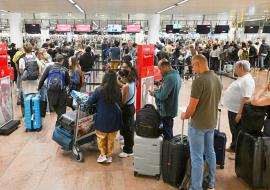
The immediate operational impact for travelers is hitting mass transit networks heavily. Extreme temperatures have caused dangerous thermal expansion of railway tracks, forcing rail authorities in France, the United Kingdom, Germany, and the Netherlands to issue massive train cancellations due to severe derailment risks. Meanwhile, hospitality infrastructure in northern and central parts of the continent is facing structural limitations.
Logistics Chaos: Buckled Tracks and Hotless Hotels
The sudden lack of cooling resources has caught various traditional markets entirely off guard:
Berlin: Municipal officials report massive groups of stranded tourists in accommodations that lack widespread air conditioning, an amenity historically rare in northern latitudes.
Italy and France: Severe grid overloads from peak cooling demands have triggered rolling power outages, leaving thousands of tourist establishments without power in the middle of the high season.
Southern Europe: The combination of extreme temperatures and a prolonged drought has elevated wildfire risks to critical levels, forcing national parks and hiking routes in Spain and France to restrict traveler access entirely.
Attraction Closures and New Local Bans
Urban life and leisure activities in major capitals have been heavily restricted by local councils. Several outdoor tourist attractions have opted for temporary closures during hours of intense heat stress, typically between 11:00 a.m. and 6:00 p.m., while multiple summer festivals and cultural events have been canceled or postponed. To mitigate rising health risks, local municipalities have taken drastic regulatory measures to safeguard international visitors.
In Paris, alcohol consumption in public spaces during mass celebrations has been strictly banned to prevent accelerated dehydration among crowds. Concurrently, in major French beach resorts like Narbonne and Arcachon, code enforcement officers are issuing fines of up to 150 euros for tourists walking shirtless outside designated beach areas. Health services across several countries, including the U.K. and Spain, remain on red alert, urging visitors to stay indoors during peak radiation hours.
Furthermore, the desperation to escape the relentless heat has led to a spike in water-related accidents, with dozens of drownings reported in rivers and lakes across France and Italy as people seek relief outside of lifeguarded areas. The European tourism sector now faces an inescapable reality where climate adaptation and infrastructure resilience have become the number one priority to ensure the industry's long-term commercial viability.