Screen Tourism Forecast: The Rise of Narrative-Driven Travel
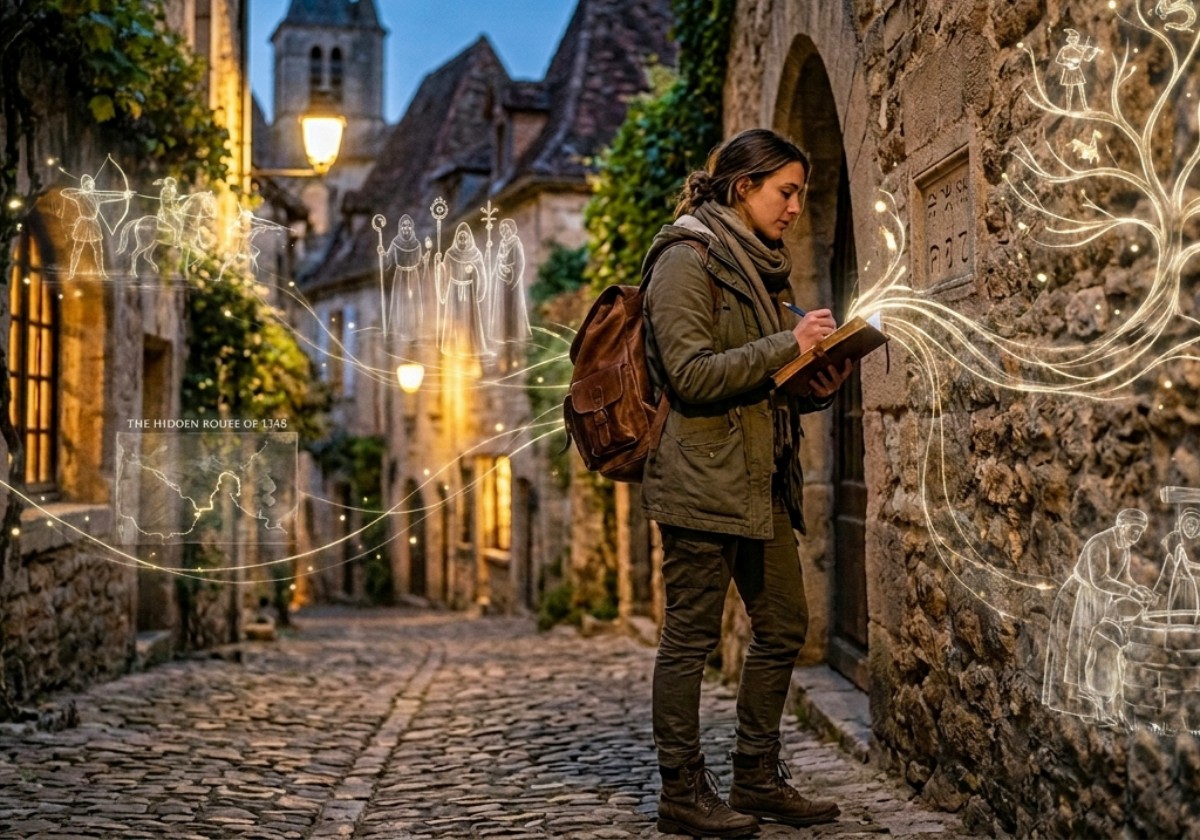
The 2026 forecast for "screen tourism"—travel motivated by the desire to visit the real-world locations featured in popular films, television shows, and streaming series—points to a massive visitor boom for a select group of globally recognized filming locations.
According to the latest industry reports, the convergence of high-quality digital content and social media sharing has created a new class of "must-visit" destinations. These sites are seeing unprecedented surges in interest as travelers look to "Lore Chase," effectively using their vacation time to walk in the footsteps of their favorite fictional characters and explore the iconic landscapes of modern media.
This trend is fundamentally changing the way destinations market themselves, with local tourism boards now actively bidding to host high-profile productions. The potential ROI for a destination that becomes the backdrop for a hit series is massive, often resulting in year-round traffic that sustains local economies long after the cameras have packed up. However, this sudden popularity also brings the challenge of over-tourism, as infrastructure originally designed for local life is overwhelmed by thousands of fans eager to capture the perfect image for their social media profiles.
To manage this growth, the most forward-thinking destinations are investing in "screen-tourism infrastructure," including branded signage, guided walking tours, and digital maps that guide foot traffic away from sensitive areas and into designated, manageable zones.
By turning a spontaneous surge in popularity into an organized visitor experience, these locations are able to maintain the quality of the trip while maximizing the economic benefits of the tourism boom. This proactive management is key to ensuring that the popularity of a film location does not end up destroying the very charm that made it attractive to global leisure travelers.
The impact of screen tourism is particularly strong among Gen Z and Millennial demographics, who frequently cite streaming series as their primary source of travel inspiration. For these travelers, the desire to visit a location is rooted in a deep emotional connection to the narrative, making the experience feel significantly more personal and meaningful than a traditional resort vacation. This demand is shifting the focus of the travel industry toward "storytelling as marketing," where brands use narrative elements to create a more resonant and memorable visitor journey.
As we look toward the remainder of the year, the locations that can successfully curate these narrative experiences while preserving their authenticity will lead the market in visitor retention and satisfaction. The danger, according to industry experts, is over-commercialization, which can quickly alienate the very fan base that initially brought attention to the site. The most successful destinations are those that offer a blend of "pop-culture immersion" and genuine, traditional exploration, ensuring that travelers get both the fantasy they came for and the cultural depth they might not have expected.
In summary, the screen tourism boom of 2026 is a powerful testament to the influence of digital content on physical movement. As the barrier between the virtual and real world continues to blur, the travel industry must continue to adapt to a reality where a single hit show can reshape an entire region’s tourism strategy overnight. By embracing this trend and managing its risks, the industry is finding new, creative ways to drive engagement and maintain the enduring appeal of global destination exploration.