Tourism Reels as Unprecendeted Heatwave Grips Europe

An intense and early heatwave has brought much of western and central Europe to a grinding halt, shattering meteorological records and dealing a severe blow to the peak summer tourism season. A massive meteorological phenomenon known as a heat dome—fueled by an African anticyclone pulling scorching air from the Sahara Desert—has trapped extreme thermal energy across the continent, forcing governments to issue unprecedented "red alerts" and mandatory safety warnings.
From the Iberian Peninsula to the British Isles, temperatures have soared well over 10 to 15 degrees Celsius above seasonal averages. France has recorded its highest average mercury levels for this time of year, with regions like Bordeaux witnessing temperatures peaking at a staggering 42 degrees Celsius. Meanwhile, Spain, Italy, and even typically milder nations like Belgium and Germany are bracing for prolonged stretches of extreme heat.
The sweltering conditions are causing significant disruptions across the travel sector, fundamentally altering how international travelers navigate iconic European destination points. In Rome, visitors flocking to historic hotspots like the Colosseum are facing exhausting conditions, leading to long queues for public drinking water and a spike in emergency medical interventions. Local infrastructure is also buckling under the weight of continuous air-conditioning demands, with municipal transit authorities reporting rapidly depleting batteries on newly introduced electric buses.
Public safety concerns have led to strict emergency regulations that directly impact traditional holiday activities. In France, authorities have closed more than a thousand schools and placed strict bans on public gatherings, while several coastal beach resorts have instituted hefty fines for shirtlessness away from the immediate shoreline to maintain public order. Tragically, officials have also reported an uptick in accidental drownings as desperate crowds seek relief in local rivers and lakes without adequate supervision.
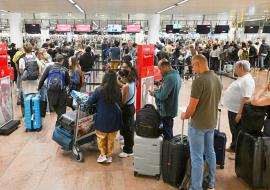
Major transport corridors are similarly experiencing critical strain. Railway operators across western Europe have warned that extreme rail temperatures could warp metal tracks, leading to widespread speed restrictions, cascading delays, and the outright cancellation of dozens of regional trains. Major airport hubs have also reported operational friction, with ground crews treating passengers on overheated aircraft delayed on local tarmacs.
Experts point out that this extreme weather event aligns with broader patterns of climate change, highlighting that Europe remains the fastest-warming continent on the planet. As summer gets underway, the travel industry is facing an undeniable paradigm shift, with industry analysts warning that future holidaymakers may increasingly pivot toward northern destinations or adjust their itineraries to avoid mid-summer travel entirely.