UN Reports 1.5 Billion Global Travelers Amid "Water Bankruptcy" Warning
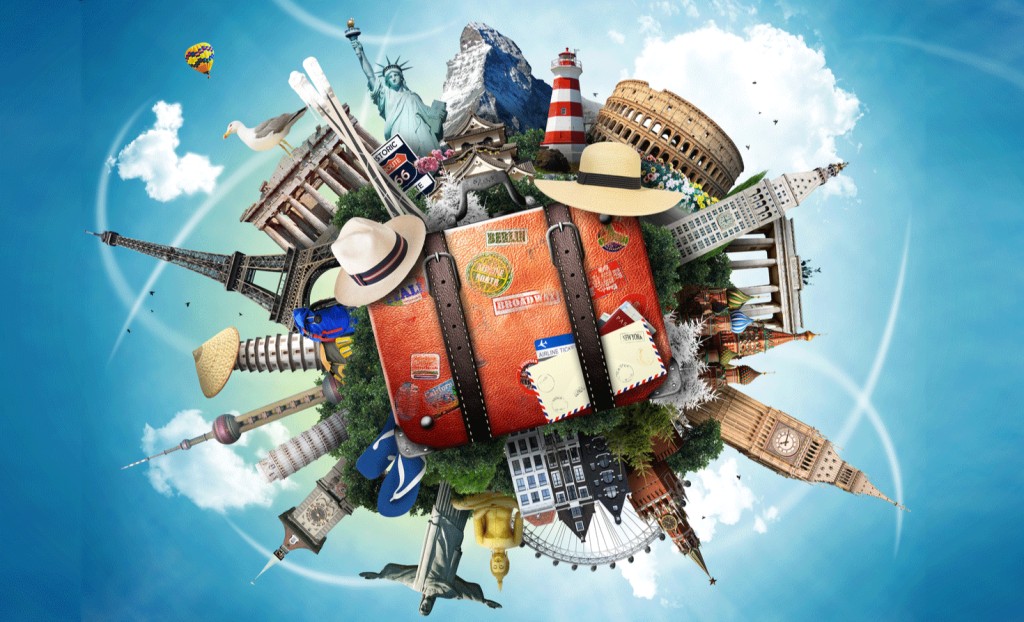
A comprehensive report released today by UN Tourism at the FITUR travel show confirms that international tourist arrivals officially exceeded 1.5 billion in 2025, returning to pre-pandemic growth patterns. The report highlights a 4% increase in global arrivals compared to 2024, driven by strong demand in Europe and a robust recovery in North-East Asia. However, the celebratory news was tempered by a simultaneous UN warning that the world has entered an era of "Global Water Bankruptcy," a condition where human demand has irreversibly overspent the planet’s freshwater resources.
The "Water Bankruptcy" report serves as a stark warning for the tourism industry, particularly for water-intensive sectors like luxury resorts and cruise lines. UN researchers noted that long-term overuse and environmental degradation mean that past hydrological baselines in many popular destinations can no longer be restored. This creates a critical tension for 2026, where record-breaking travel demand must now compete with the reality of localized water shortages in the Mediterranean, South Asia, and the American West.
Despite these environmental challenges, the 2026 outlook remains optimistic, with international tourism projected to grow another 3% to 4%. Growth is expected to be fueled by major global events, including the 2026 FIFA World Cup in North America and the Milano Cortina Winter Olympics. However, the UN Tourism Confidence Index shows that "extreme weather events" and "high travel costs" remain the top concerns for travelers, with roughly half of the experts surveyed identifying sustainability as the industry's most significant hurdle.
For the modern traveler, this dual reality means that "responsible consumption" is no longer optional. Destinations are increasingly implementing digital monitoring systems and "eco-taxes" to manage resources, as seen in the recent reforms across the Caribbean and Europe. As the world reaches this 1.5-billion-traveler milestone, the focus for 2026 is shifting from simple growth to "resource-aware" tourism, where the success of a destination is measured not just by arrival numbers, but by its ability to provide a high-quality experience without depleting local water supplies.