. UK ETA Enforcement Triggers Check-In Friction for 85 Nations
The United Kingdom has entered its first full week of mandatory Electronic Travel Authorisation (ETA) enforcement, and the results are a mix of "digital efficiency" and "logistical friction."
As of today, travelers from 85 nations—including the U.S., Canada, and the EU—are required to present their linked digital status before boarding any UK-bound flight or ferry. While the Home Office reports that 95% of applications are approved within minutes, the "transition period" is causing significant delays at check-in counters as airlines grapple with the "strict verification" requirements.
The new system, which costs £16 ($20) and is valid for two years, has introduced a "new layer of administrative burden" for the 2026 traveler. For dual-national British citizens who do not carry their UK passport, the ETA mandate has created a "legal bottleneck," with many being denied boarding until they can prove their "Right of Abode." This "digitized border" represents the final step in the UK's post-Brexit immigration strategy, moving all "entry permissions" to a pre-departure verification model.
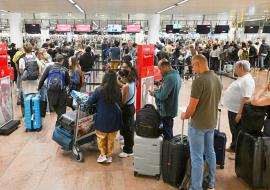
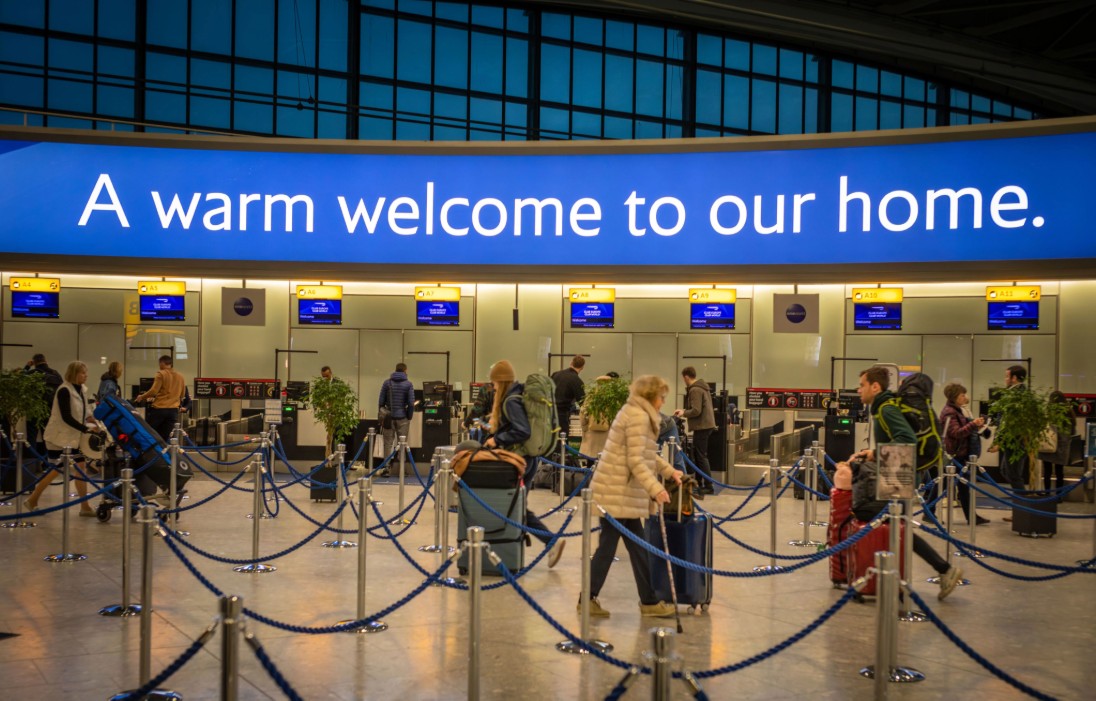
Airlines are reporting "longer-than-usual" processing times at major hubs like LHR and LGW, as ground staff must manually verify ETA tokens for passengers whose digital links are not automatically detected. The Home Office has deployed "roving digital ambassadors" to assist travelers, but industry groups warn that the real test will come during the Easter holiday surge. For the global explorer, the "passport-only" travel era is officially dead, replaced by a "multi-layered" digital identity that must be secured days in advance.
The UK ETA app has become a "top-downloaded" travel tool, but technical glitches remain a concern for some users. Reports of "payment failures" and "biometric mismatch" errors have surfaced, leading to a surge in calls to consulate helpdesks. To mitigate these issues, travel advisors are recommending that all passengers carry a "printed confirmation" of their ETA, despite the government’s claim that the system is entirely paperless. This "analog backup" is becoming a critical tool for "peace of mind" in an increasingly "algorithmic border" environment.
Despite the initial "teething problems," the Home Office insists that the ETA will ultimately make the border "safer and smoother" for everyone. By pre-screening visitors, the government aims to reduce "on-arrival" questioning and speed up the "e-gate" process for legitimate tourists. For the 2026 traveler, this means the "heavy lifting" of immigration is now done from the comfort of their home, provided they have the "digital literacy" to navigate the new requirements.