Air India Triggers New Distance-Based Surcharges Amid Global Turmoil
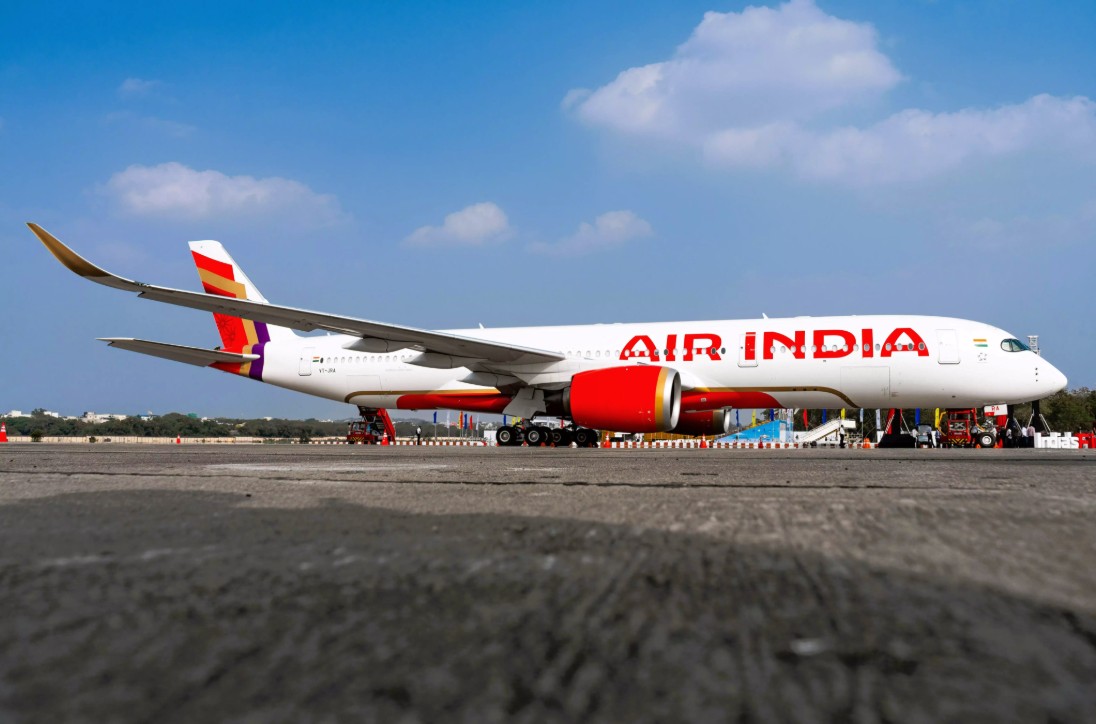
Air India officially implemented a revised fuel surcharge structure today for both its domestic and international networks, responding to a "critical surge" in global jet fuel prices.
Moving away from traditional flat-rate fees, the carrier has introduced a distance-based model for domestic routes, with charges ranging from ₹299 for short-haul flights to ₹899 for journeys exceeding 2,000 km. This "calibrated pricing approach" follows a government decision to cap fuel price increases at 25%, forcing airlines to find "sustainable ways" to offset their mounting operational costs.
The "international impact" is even more pronounced, with surcharges reaching up to $280 for long-haul routes to North America and Australia. Travelers heading to Europe and the United Kingdom will now face a $205 premium, while regional flights to West Asia will see a more modest $50 increase.
The airline stated that these "emergency adjustments" do not fully cover the rising cost of crude, which has seen prices nearly double in recent weeks due to ongoing conflict in the Middle East. This "financial pressure" is being felt across the aviation industry, as carriers struggle to maintain "profitability and liquidity."
For the 2026 frequent flyer, these surcharges represent a "significant shift" in the "total cost of travel," particularly for those booking last-minute. Air India has clarified that tickets issued prior to today will not be subject to the new rates unless the passenger initiates a voluntary change to their itinerary.
The "global aviation market" is currently in a state of "heightened alert," with analysts predicting that "green and fuel surcharges" will become a permanent fixture of 2026 airfares. As the "supply-chain crisis" continues, passengers are encouraged to "lock in rates" as early as possible.
The "strategic shift" to distance-based pricing is seen as a "more equitable way" to manage costs, ensuring that shorter flights do not bear a "disproportionate burden" of the fuel spike. However, industry groups warn that sustained high fuel prices could dampen the "strong demand" for international travel seen earlier this year.
Air India and its partners, including Air India Express, will review these surcharges periodically based on "market volatility." This "pricing agility" is becoming a "mechanical necessity" for survival in the modern aviation landscape.