Spirit’s Final Descent: Giants Carve Up the Remains While "Spirit 2.0" Dreams of a Rebirth
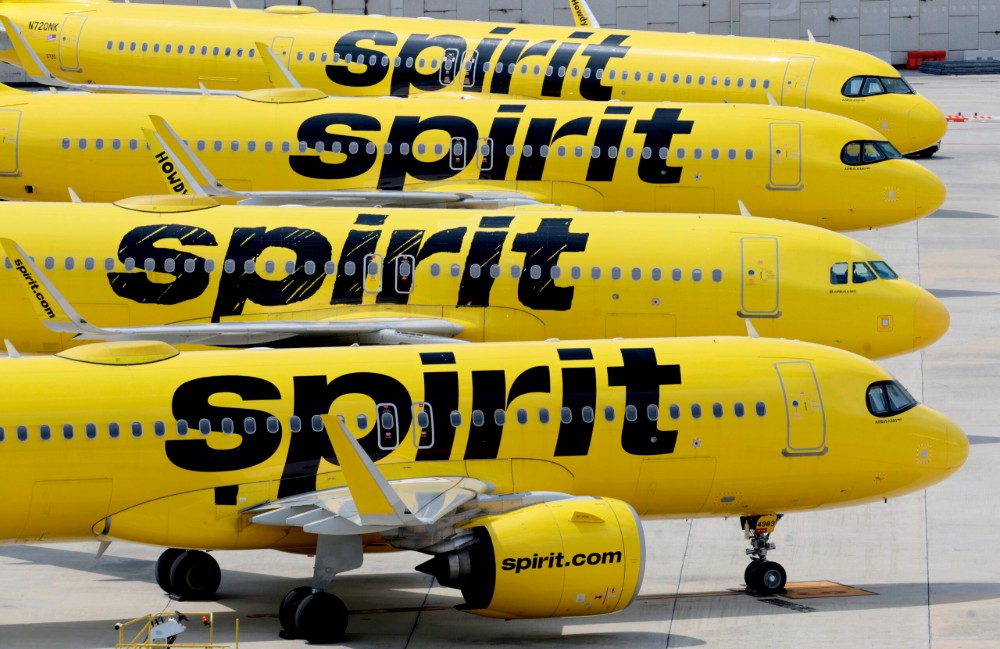
The era of the "yellow bird" came to an abrupt and final end on May 2, 2026, as Spirit Airlines officially ceased all operations, grounding its 205-aircraft fleet and leaving 17,000 employees in limbo.
After a final $500 million federal bailout package collapsed in negotiations with bondholders, the pioneer of the ultra-low-cost carrier (ULCC) model was forced into a full-scale liquidation. The halls of the U.S. Bankruptcy Court in New York have become a battlefield where the industry’s giants are carving up what remains of the fallen carrier.
As Spirit's fleet sits idle, competitors have moved swiftly to fill the void, particularly in high-demand markets like Florida, Chicago, and Newark. Without the downward price pressure Spirit provided, legacy carriers are rapidly absorbing the market share.
United and Delta: These legacy giants are already positioning themselves to seize Spirit’s valuable airport slots at Newark (EWR) and LaGuardia (LGA).
American Airlines: Following the shutdown, American implemented fare caps on shared routes to manage the immediate surge in demand, though analysts predict a 15% long-term increase in airfares on routes where Spirit was once the primary price anchor.
Frontier and Allegiant: These ULCC rivals are the "natural heirs" to Spirit’s leisure routes, aggressively expanding into former Spirit strongholds to capture budget-conscious travelers.
Liquidated Assets Overview (May 2026)Status
Fleet (205 Aircraft)Leased units returned; owned units sold for scrap/parts.
Airport SlotsTargeted by United, Delta, and JetBlue in court.
Active PilotsOnly 6 remain on payroll to assist in aircraft returns.
Employee Status17,000 terminated; ~150 retained for wind-down.
Spirit 2.0: The Quixotic Crowdfunding Campaign
In a plot twist that has captivated social media, TikTok creator Hunter Peterson launched an unprecedented crowdfunding campaign to "buy the airline for the people." Dubbed "Spirit 2.0," the movement aims to relaunch the carrier as a cooperative, citizen-owned entity, similar to the ownership structure of the Green Bay Packers.
As of May 8, 2026, the campaign has reported staggering figures: over 500,000 "pre-pledges and approximately $437 million in non-binding commitments.
The campaign's goal is $1.75 billion, and Judge Sean Lane has already approved an expedited wind-down plan. Bankruptcy courts require liquid capital, and Peterson's team currently lacks the legal entity or the escrowed cash to match the institutional bids already on the table.
The collapse is the first major aviation casualty of the jet fuel crisis triggered by the conflict in the Middle East. With oil prices sustained at $150 per barrel, the thin margins of the "Bare Fare" model evaporated. Dave Davis, Spirit’s President and CEO, noted that while the airline pioneered an era of global mobility for the masses, the sustained energy crisis left them "no alternative but to conduct an orderly closure."
While the "Spirit 2.0" movement represents a unique innovation in consumer activism, the liquidators have already begun the cold process of dismantling the company. For now, the legacy of Spirit Airlines will live on not in the air, but in the higher ticket prices and reduced competition that are expected to define the American sky for the remainder of 2026.