Spirit Airlines Faces Collapse as Wall Street Withdrawal Halts Recovery
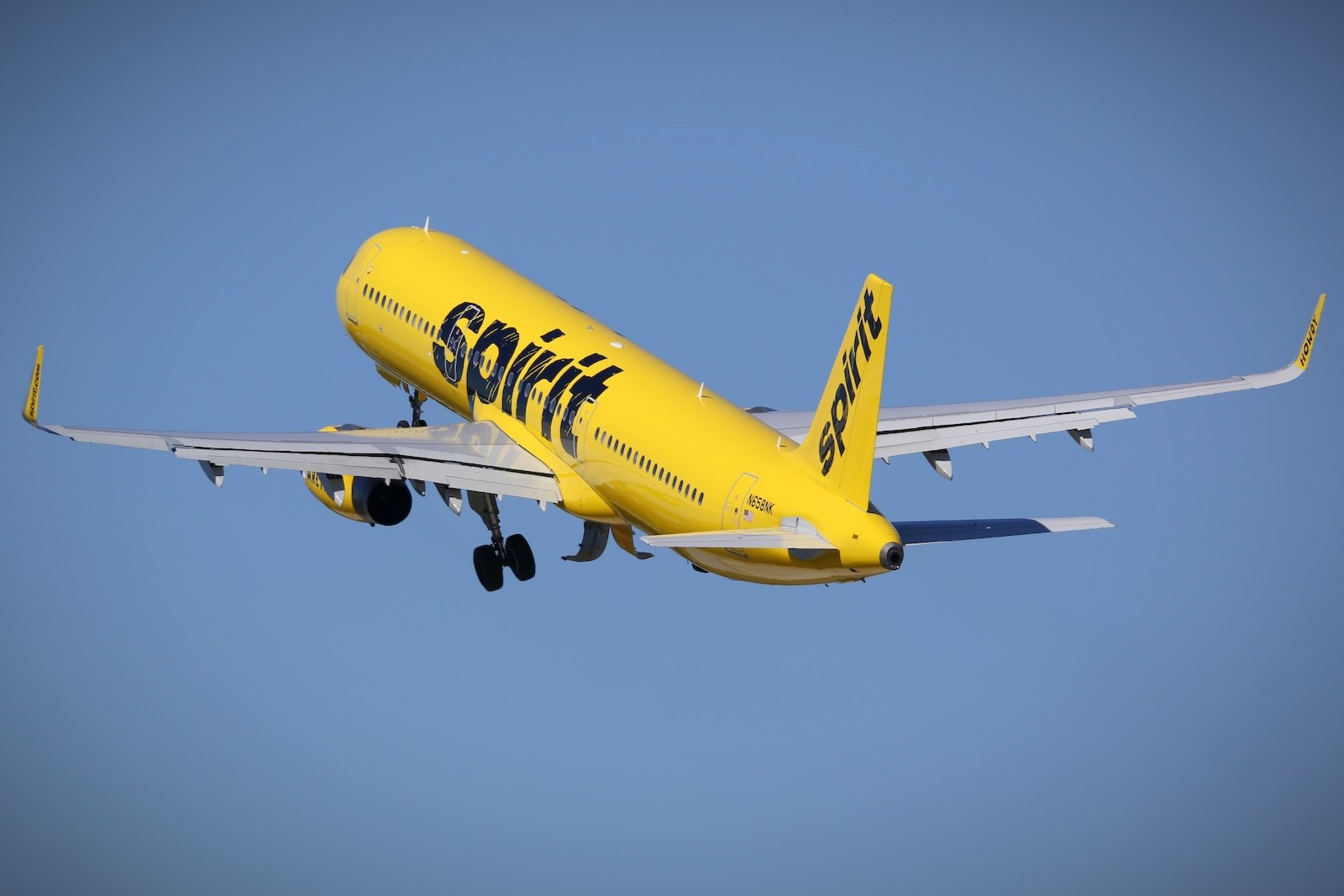
The "yellow bird" of the American skies is facing an existential crisis as Spirit Airlines approaches what many analysts believe is a point of no return.
Following the rejection of a critical debt restructuring plan by major Wall Street creditors, the pioneer of the ultra-low-cost carrier (ULCC) model in the United States is teetering on the edge of a total operational collapse in this second quarter of 2026.
The news has sent shockwaves through the aviation industry, raising immediate questions about the future of affordable air travel and the stability of domestic global mobility.
The current financial turmoil is a direct result of several compounding factors that have eroded the carrier's liquidity and market competitiveness over the past year:
Wall Street Rejection: Major lenders and investment banks have officially declined a $1.2 billion refinancing package, citing a lack of confidence in the airline's long-term prosperity amid rising costs.
The Pratt & Whitney Crisis: Continued technical issues with GTF engines have grounded a significant portion of Spirit's Airbus A320neo fleet, leading to massive revenue losses and operational instability.
Fuel Price Volatility: With jet fuel prices hovering at historic highs due to the ongoing Middle East conflict, Spirit's low-margin business model has proven unable to absorb the surge in operating expenses.
The potential liquidity crunch comes at the worst possible time, as the Department of Homeland Security (DHS) shutdown continues to hamper airport efficiency, further depressing demand for a carrier already struggling with consumer confidence.
Unlike its larger competitors, Spirit lacks the capital reserves to weather a prolonged period of high fuel prices and decreased traveler volume. Industry experts suggest that without a "white knight" investor or a radical Chapter 11 reorganization, the airline could cease operations before the end of the 2026 summer season.
The "Trump Slump" in international tourism has also impacted Spirit’s secondary markets in the Caribbean and Latin America, regions where the airline previously held a dominant position in the hospitality economy. As Air France and other legacy carriers expand their footprint in the U.S. West and Southwest, the space for a struggling ULCC has narrowed significantly. For millions of American travelers who relied on Spirit's "Bare Fare" innovation to visit family or take vacations, the potential disappearance of the carrier marks the end of an era of unprecedented access to flight.
As Wall Street turns its back, the focus shifts to the Department of Transportation (DOT) and whether federal regulators will intervene to prevent a total market exit that could lead to a spike in airfares across the country. For now, passengers with existing bookings are advised to monitor the situation closely, as the prospect of a "flight to nowhere" becomes an increasingly literal risk for Spirit’s remaining fleet. The competitiveness of the American sky hangs in the balance as the industry awaits Spirit's next—and potentially final—maneuver.