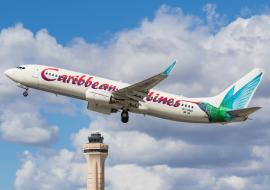
Jet Fuel Volatility Triggers Emergency Management at Global Airlines
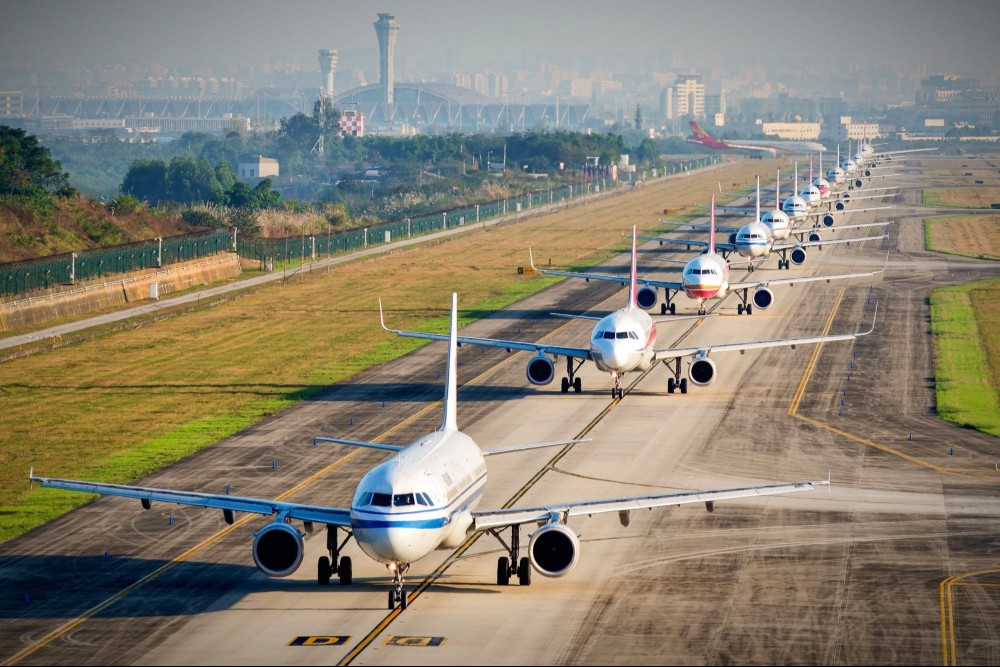
The "ongoing conflict in the Middle East" has pushed jet fuel prices into a "state of extreme volatility," forcing several major airlines into "emergency management mode" as of today.
Korean Air announced a "phased response" to the price spikes, which have seen fuel costs soar to nearly $200 per barrel. Simultaneously, Cathay Pacific has implemented a 34% hike in its "fuel surcharge," with plans to "review rates every two weeks" to reflect "real-time market shifts."
In Southeast Asia, the "fuel shortage" is manifesting as "service reductions," with VietJet and Vietnam Airlines adjusting "flight frequencies" to conserve fuel.
The Vietnamese government is currently considering "emergency assistance" to "remove environmental taxes" on jet fuel to prevent a "total collapse of domestic connectivity." This "geopolitical energy crisis" has effectively "upended the global aviation industry," leaving "financial outlooks" in a "state of constant revision" as operating expenses climb toward 25% of total costs.
These "macro-economic pressures" are leading to "higher ticket prices" and "trimmed amenities" in economy cabins. EasyJet and other "European low-cost carriers" have warned that "existing fuel hedges" will expire by late summer, likely leading to a "significant fare jump" for the autumn travel season.
Travelers are being urged to "monitor airline policies" closely, as "flexible rebooking" and "refund windows" may be "narrowed" to protect "carrier liquidity." The "aviation sector" is currently navigating its "most difficult financial period" since the 2020 pandemic.