
Major Networks Accelerate Fleetwide Deployment of Ultra High Speed Starlink Wi-Fi
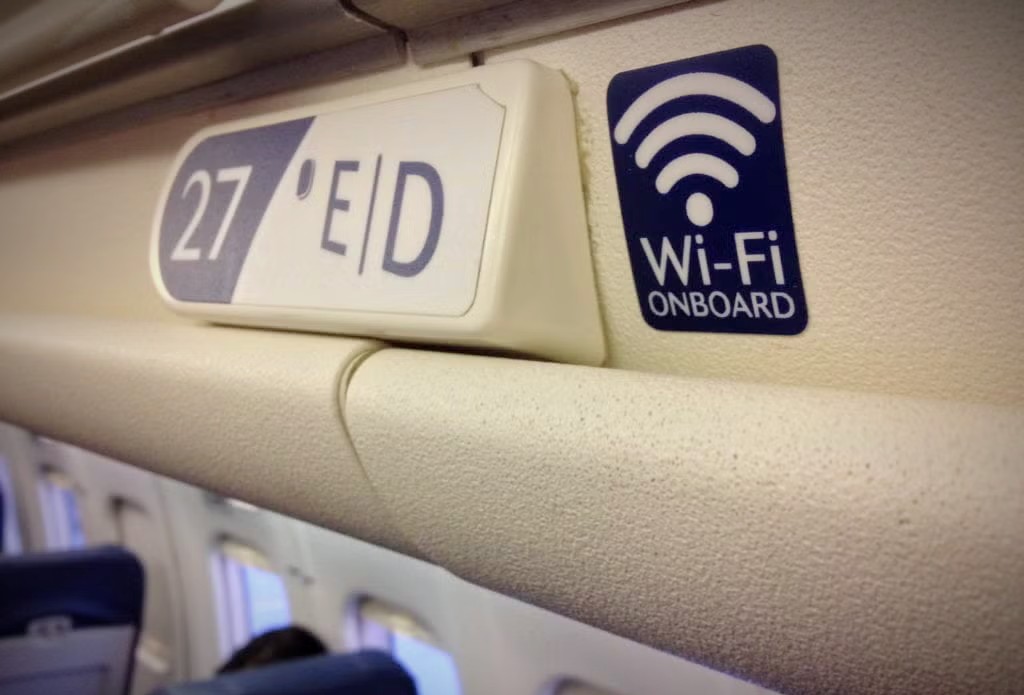
The highly competitive arena of in-flight passenger amenity delivery is undergoing a complete structural overhaul driven by advanced low-Earth-orbit satellite networks.
Comprehensive technology deployment surveys finalized across the aviation landscape reveal that passengers now classify high-bandwidth connectivity as an absolute baseline necessity. To capture high-yield corporate travelers, major domestic carriers are executing aggressive multi-million-dollar hardware installation schedules to install space-based Starlink connectivity terminals.
The rapid technological implementation achieved a historic milestone when Southwest Airlines officially launched its initial aircraft equipped with the ultra-high-speed system into active service. Concurrently, network competitors are racing to complete similar satellite retrofits across their narrowbody fleets to eliminate legacy ground-tower connectivity limitations. The upgraded technological architecture enables seamless, high-definition video conferencing and real-time cloud computing capabilities at altitudes exceeding thirty thousand feet.
Aviation marketing executives point out that offering complimentary, uncompromised internet access has transformed from a premium luxury perk into a vital tool for brand retention. Legacy carriers that continue to gate-keep internet connectivity behind restrictive paywall architectures are experiencing measurable customer diversion toward modernized fleets. The ongoing digital revolution highlights a broader corporate reality where seamless digital infrastructure dictates carrier loyalty.
The massive satellite bandwidth explosion is also triggering an immediate shift in how airlines approach their long-term onboard entertainment procurement strategies. Rather than investing heavily in heavy, expensive seatback monitor hardware that requires constant physical maintenance, operators are shifting toward a bring-your-own-device model. By relying on passengers’ personal smartphones and tablets powered by uncompromised satellite streams, airlines can reduce overall aircraft weight and lower long-term fuel burn parameters.
Furthermore, technical teams report that the low-latency characteristics of low-Earth-orbit constellations allow for unprecedented real-time diagnostic data tracking between the aircraft and ground crews. Maintenance engineers can monitor complex engine telemetry and cabin systems dynamically during flight, allowing them to pre-position replacement components before the plane arrives at the gate. This secondary operational benefit is proving highly effective at reducing unexpected mechanical delays across high-frequency domestic hub-and-spoke transit networks.
As the global installation race intensifies, satellite hardware manufacturers are struggling to scale up production to meet the sudden avalanche of commercial airline orders. Industry analysts project that by the conclusion of the upcoming annual cycle, uncompromised, free satellite internet will become the standard across all tier-one international carriers. The rapid obsolescence of legacy air-to-ground networks marks a permanent turning point where aircraft cabins are fully integrated into the global high-speed digital ecosystem.