Spirit Airlines Pursues Massive Fleet Liquidation to Shore Up Liquidity
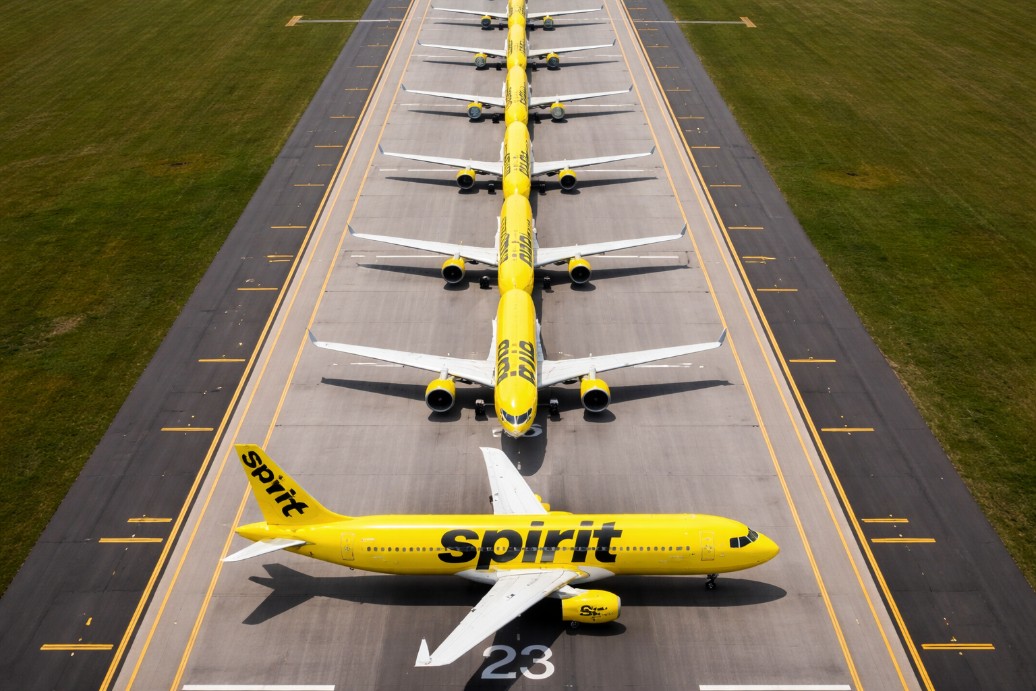
The financial crisis at Spirit Airlines reached a critical flashpoint today as the ultra-low-cost carrier (ULCC) formally petitioned a New York bankruptcy court for authorization to auction off 20 Airbus narrow-body aircraft.
The proposed sale, which includes thirteen A320-200s and seven A321-200s, is a cornerstone of the airline’s second Chapter 11 restructuring effort in as many years. By offloading these assets, Spirit aims to raise at least $533 million in immediate cash, a move that Chief Financial Officer Fred Cromer described as "essential to maximizing the value of the estate" during this volatile period.
The auction has already secured a "stalking horse" bidder in CSDS Asset Management, setting a baseline price for the fleet. However, the downsizing comes at a significant operational cost, as the airline expects to emerge from bankruptcy with just 94 aircraft—a dramatic retreat from the 200-plus jets it operated just two years ago. This "strategic contraction" is designed to reduce overhead costs related to maintenance and labor, but it effectively signals the end of Spirit's era of aggressive, low-fare expansion across the continental United States.
For travelers, the impact of Spirit’s "downward spiral" is being felt in real-time at gates across the country. Over the last week, hundreds of passengers have found themselves stranded, particularly in Florida hubs like Fort Lauderdale and Orlando, as the airline struggles with a "cascading wave" of cancellations. Unlike legacy carriers, Spirit lacks the "interline agreements" that would allow other airlines to automatically rebook their displaced passengers, leaving those with "Spirit tickets" to fend for themselves in an increasingly crowded market.
The human cost of the restructuring is also mounting, with reports that Spirit flight attendants have been forced to accept significant pay cuts as part of the bankruptcy proceedings. This has led to mounting labor friction and concerns about "staffing shortages" that could further destabilize the airline’s skeletal flight schedule. Industry analysts warn that while the aircraft auction may provide a short-term "liquidity bridge," the long-term viability of the ULCC model remains under intense scrutiny as consumer trust in the brand continues to erode.
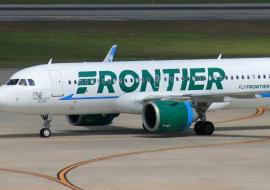
As the court prepares for the formal auction on April 20, the broader aviation industry is watching to see who might snap up the discarded Airbus jets. Rival budget carriers like Frontier or international leasing firms are seen as the most likely suitors. For the 2026 traveler, the message is one of extreme caution: while Spirit’s fares remain the lowest in the sky, the "operational risk" of booking with a carrier in mid-liquidation has never been higher.