
US-Spain Ties Fray Over Military Bases and Middle East Strategy
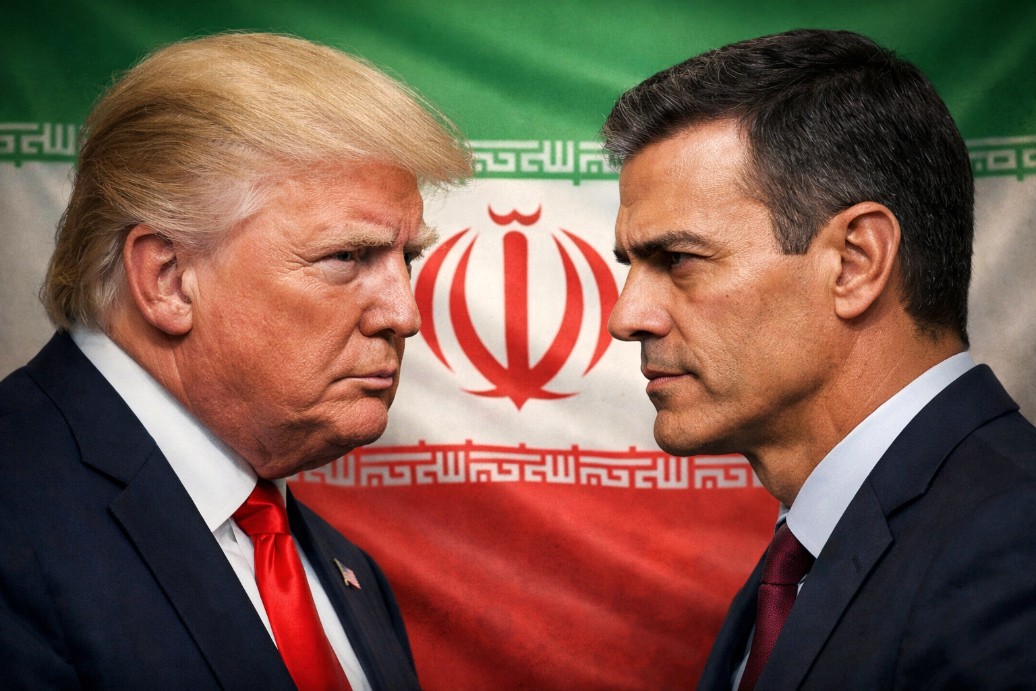
The diplomatic relationship between Spain and the United States has reached a volatile flashpoint following President Donald Trump’s threat to sever commercial ties.
The friction stems from President Pedro Sánchez’s refusal to authorize the use of the Rota and Morón airbases for offensive operations against Iran. Citing national sovereignty and international law, Madrid has held firm on requiring UN authorization for such actions, a stance the White House has publicly labeled as "unfriendly," signaling a significant rift within the NATO alliance.
The economic stakes of this transatlantic clash are immense, with over €34 billion in annual Spanish exports now facing the threat of punitive tariffs. Strategic sectors, including olive oil, steel, and the automotive industry, are bracing for an unprecedented trade embargo that could jeopardize thousands of jobs across the Iberian Peninsula. Compounding this vulnerability is Spain's heavy reliance on U.S. liquefied natural gas (LNG), which currently accounts for roughly 30% of the national energy supply, making energy security a central pawn in the dispute.
The tourism industry is already feeling the chill, with early data for the 2026 season showing a sharp decline in bookings from the North American market. Travelers from the U.S., known for their high per-capita spending, are reportedly being deterred by the political tension and fears of potential travel alerts or migratory hurdles. This downturn poses a direct threat to the profitability of major hotel chains and transport services in high-profile destinations like Barcelona, Madrid, and the Costa del Sol.
Corporate leaders and investment groups, including AmChamSpain, have issued urgent calls for dialogue to prevent the strategic military dispute from devolving into an all-out trade war. With bilateral direct investment exceeding €91 billion, experts warn that a permanent fracture would inflict severe damage on both Spanish firms and U.S. corporate interests within Europe. The instability is already threatening to stall major American capital projects in Spain's technology and renewable energy sectors.
The European Union has entered the fray, reminding Washington that trade competencies belong exclusively to Brussels. EU officials have stated that any retaliatory measures against a single member state would be viewed as an aggression against the entire European bloc. Despite this, the Trump administration appears poised to utilize domestic judicial interpretations to exert direct economic pressure on the Sánchez government, testing the resistance of the Spanish economy against aggressive negotiation tactics.
As the standoff continues, the Palacio de la Moncloa maintains that its autonomy over military infrastructure is non-negotiable without a clear international mandate. Conversely, the White House continues to demand absolute loyalty from its strategic partners, framed as a requirement of modern security alliances. The resolution of this geopolitical pulse will not only redefine the bilateral future but will also serve as a benchmark for how EU nations balance national sovereignty with the demands of an increasingly assertive U.S. foreign policy.