America 250 Celebrations Drive Regional Tourism Growth
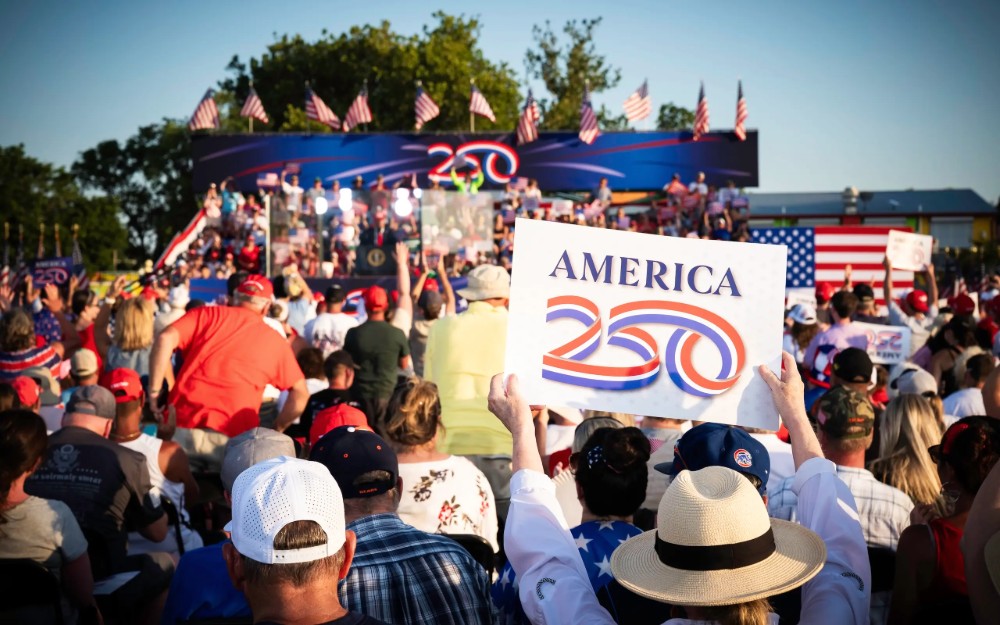
In commemoration of the nation’s 250th anniversary, America 250 celebrations are acting as a massive anchor for domestic tourism across the United States in 2026. Localities are using these historical milestones to create extended, high-profile events that successfully draw large numbers of domestic visitors.
For example, the city of Pigeon Forge, Tennessee, has expanded its annual Patriot Festival into a two-day event, featuring a wide range of concerts, family-oriented activities, and fireworks to honor the semiquincentennial. This approach of creating synchronized, large-scale celebrations is helping to solidify July as a new season of charitable giving and community engagement.
This nationwide focus on history is being mirrored in the development of state-level resources, such as the growth of the Tennessee State Parks system. The state has recently dedicated new sites, including Fort Southwest Point State Historic Park, as part of a significant push to expand the park system to record levels. These parks are not only providing space for public recreation but are also acting as educational hubs, hosting year-long speaker series that delve into local history, such as the military history of the Declaration of Independence and the evolution of conservation in the United States.
The economic strategy behind these events is clear: by aligning local tourism with national celebrations, states can attract a wider cross-section of the population, particularly multigenerational families who represent the core of the domestic visitor economy.
These events provide a cohesive itinerary that supports local businesses, from food trucks and retail to hotels and dining, effectively creating a sustained boost in revenue throughout the peak summer months. The success of these gatherings reinforces the idea that historical and cultural assets, when marketed effectively, are among the most powerful tools for driving regional tourism.
Integration is the key takeaway for destination managers looking to emulate this success. The events in Washington, D.C., and across the states have been successful because of deep coordination between tourism boards, local government, and private stakeholders. By ensuring that event schedules are well-publicized and that infrastructure—such as transit and crowd management—is prepared for the anticipated volume, cities have been able to successfully maintain a high-quality visitor experience even in the face of record-breaking crowds.
Beyond the immediate economic benefits, these celebrations are fostering a deeper sense of national connection, which has significant implications for the long-term domestic travel sector. Many consumers, particularly younger generations, are demonstrating an increased interest in "lore-rich" travel, where they can learn about the history of their own country through active, on-site engagement. This trend ensures that the interest in America 250 is not just a passing phenomenon but a sustained driver for travel that will likely continue through the remainder of the year and into 2027.
Looking forward, the success of the America 250 initiatives provides a strong, resilient foundation for the U.S. travel sector. As domestic travelers continue to prioritize stability and unique experiences, the ability of states and cities to create professional, history-focused programming will be the primary factor in securing a consistent flow of visitors. By continuing to invest in these cultural milestones, the American tourism industry is demonstrating its enduring ability to leverage the nation's heritage as a central pillar of the modern, regional visitor economy.