Anatomy of the Bayahibe Tragedy: Structural Vulnerability and the True Cost of Emergency Response
The devastating fire at the Viva Dominicus Beach by Wyndham resort complex in the La Altagracia province has triggered an exhaustive technical and structural analysis within the tourism sector. Beyond the tragic human toll that claimed the life of Italian tourist Francesca Valentino, the catastrophe places the unique risks of tropical architecture under intense scrutiny. The incident has forced regional authorities to reevaluate the effectiveness of current safety regulations and emergency response frameworks across the Caribbean.
Expert reports from fire department investigators and forestry forensics coincide that the disaster was not merely the result of the initial trigger, which is currently being investigated as a suspected electrical failure. Instead, the destruction was fueled by a lethal combination of structural physics and coastal climate conditions.
The resort’s signature architecture, characterized by traditional thatch roofing (cana), created the perfect conditions for flashover combustion. While aesthetically appealing and thermally efficient, this organic material possesses an extremely high rate of flame spread which, when whipped by the strong coastal winds of Bayahibe, completely neutralized initial containment efforts.
Fire Dynamics and Large-Scale Containment Challenges
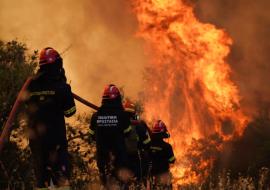
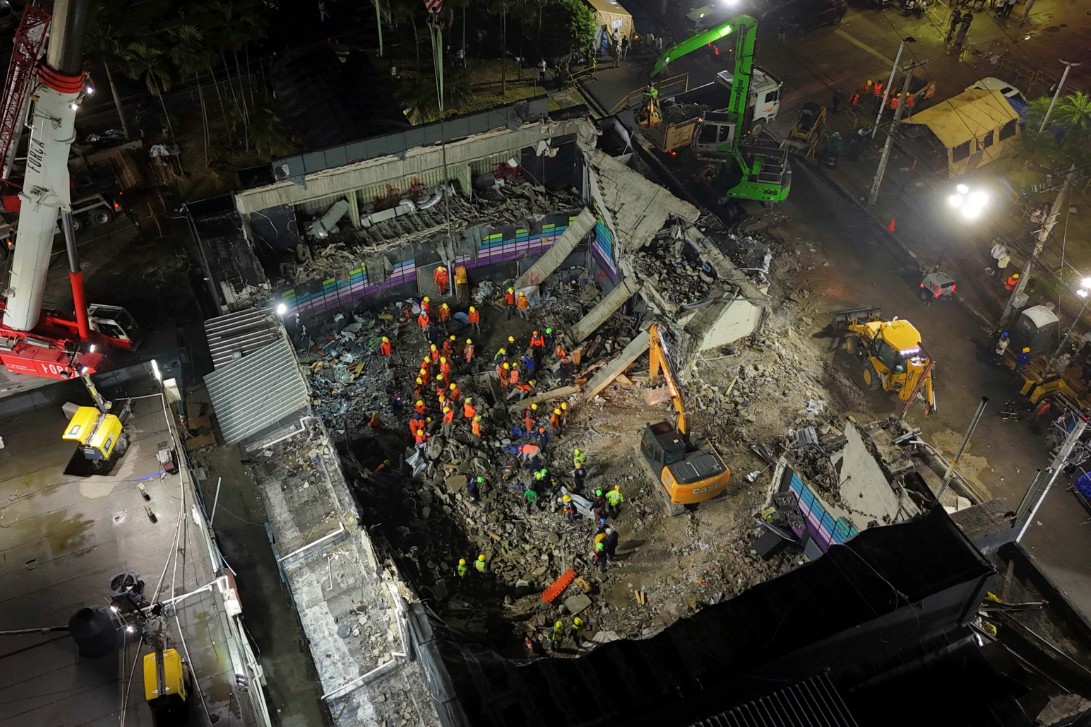
The true scale of the disaster is measured by the extreme velocity at which the flames leaped across the resort's independent structures. The sheer magnitude of the fire exposed the severe limitations of standard indoor fire-suppression systems, which prove largely ineffective against crown or roof-level blazes. Within a single hour, the intense thermal energy transformed luxury guest quarters into collapsed metallic frames and charred debris.
The massive thermal load generated by the simultaneous burning of dozens of bungalows required an unprecedented intervention from the Emergency Operations Center (COE). The government agency was forced to mobilize emergency units from multiple surrounding municipalities, including Higuey, La Romana, and San Pedro de Macoris. First responders deployed high-tech thermal-imaging drones to map critical hotspots and establish defensive lines, successfully preventing the fire from breaching adjacent oceanfront properties.
Material Losses and Mass Evacuation Logistics
In macroeconomic and reputational terms, the material losses for the hospitality group are of immense magnitude, crippling the mid-term operational capacity of one of its most lucrative regional assets. However, the most pressing tactical challenge centered on the immediate evacuation and protection of 1,690 international guests. The massive crisis displacement tested the company's internal emergency contingency blueprints to their absolute limits.
The rapid relocation of displaced tourists to the neighboring Viva Wyndham Dominicus Palace and other nearby resorts successfully averted a broader humanitarian crisis and softened the immediate reputational blow to the destination. Despite these efforts, the indirect economic fallout is expected to manifest through short-term reservation cancellations and a predictable surge in insurance premiums for Caribbean properties that choose to maintain traditional thatched roofing.
The Dominican government, through COE Director Juan Manuel Mendez and the Ministry of Tourism, has executed a highly diplomatic damage-control strategy. By immediately issuing declarations assuring global markets that destinations across the eastern region continue to operate safely and normally, state officials are moving aggressively to shield international consumer perception and protect the country's vital tourism economy.