Nationwide Aviation and Rail Strikes Paralyze Transport in Argentina, Spain

Photos: Reuters
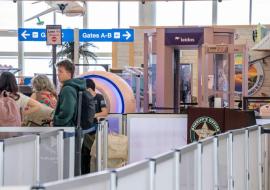
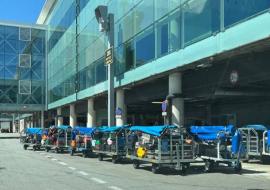
A wave of coordinated labor actions has hit the global transport sector today, with Argentina facing a severe week-long aviation strike that is expected to disrupt thousands of international and domestic flights.
The State Workers Association (ATE) called for the work stoppage after the government failed to honor a previously agreed-upon salary increase, targeting critical airport services and ground handling. Travelers heading to or from Buenos Aires are being warned of "severe flight disruptions" through March 24, as union members implement four-hour work stoppages during peak morning and evening travel windows.
Similarly, in Spain, significant travel chaos has erupted in the regions of Valencia and Alicante due to a series of planned strikes by railway workers associated with the SEMAF Union. These strikes, which are scheduled to coincide with the busy Fallas festival period, are a response to ongoing disputes over compensation, training, and working conditions. With Metrovalencia and Alicante Tram services operating at "minimum levels," tourists and locals alike are facing massive congestion on secondary roads as they seek alternative ways to navigate these popular coastal destinations.
The "strike fever" is also affecting the United Kingdom, where bus drivers in London are preparing for an organized walk-out starting tomorrow. The trade union Unite has organized the strike in response to concerns over "excessive shifts" and a lack of adequate rest periods, a move that is expected to impact major routes in East and Central London. For the 2026 urban traveler, these localized strikes are a reminder that even the most advanced "smart cities" remain vulnerable to the "human element" of the transportation workforce.
Across the Eurostar network, operational restrictions have led to the cancellation of several key services between Brussels and London, further complicating cross-border travel in Western Europe. While some delays are being attributed to "technical issues" at Amsterdam Centraal, the cumulative effect of these various labor and operational hurdles has created a "challenging environment" for those attempting to maintain a tight travel schedule. Travel advisors are recommending that all passengers reconfirm their itineraries and allow for significant "buffer time" between connections.