Sargassum Seaweed Crisis Threatens $1 Billion in Tourism Losses
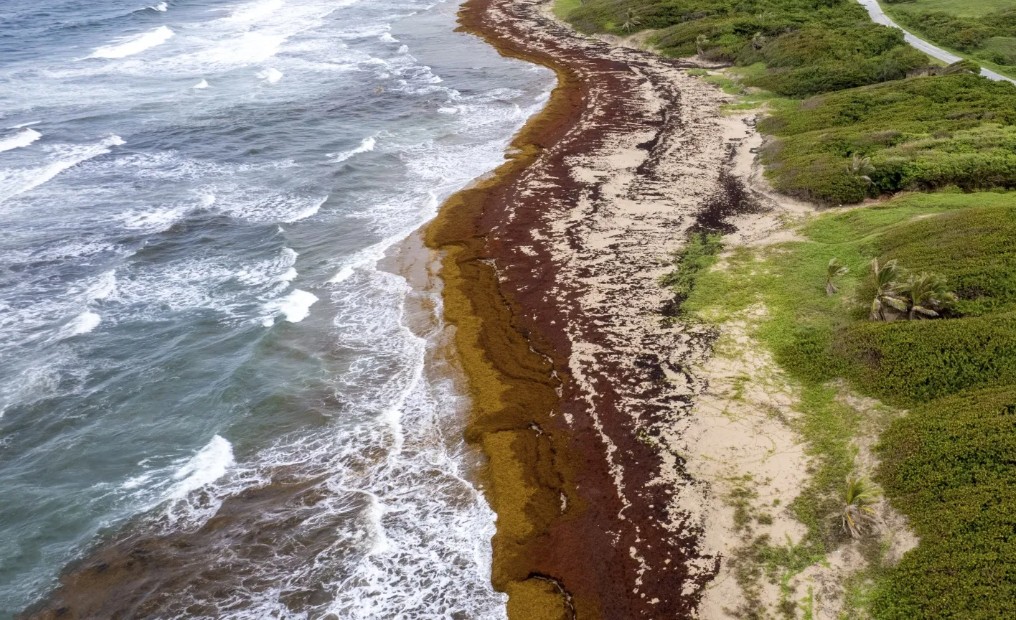
Beach destinations in Florida, Puerto Rico, and the U.S. Virgin Islands are facing a severe economic threat today as the "Great Atlantic Sargassum Belt" begins its 2026 inundation.
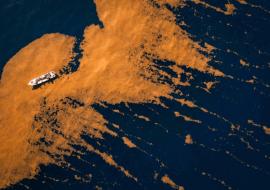
A new study released today by the Woods Hole Oceanographic Institution warns that recurring seaweed blooms are causing multi-million and, in some cases, billion-dollar losses for the tourism, recreation, and fisheries sectors. The 5,500-mile-long mass of floating brown algae is currently being pushed toward Atlantic shorelines, creating "brown tides" that deter swimmers and emit a pungent odor as they decay.
For travelers, the seaweed crisis is more than an eyesore; it presents localized health risks and significantly reduces the appeal of traditional beach holidays. The "stinking" seaweed can trap trash, block sunlight from reaching seagrass, and make coastal waters unsuitable for snorkeling and diving.
Tourism boards in the Florida Keys are already reporting a slight dip in future bookings for late spring, as repeat visitors look for "seaweed-free" alternatives in the Western Caribbean or the Gulf Coast, which are currently less affected.
The 2026 seaweed season is projected to be one of the most intense on record due to rising ocean temperatures and nutrient runoff. Coastal municipalities are currently debating the use of "sargassum barriers" and heavy machinery to clear beaches, but the sheer scale of the 1.1-million-ton mass makes total removal nearly impossible.
Travelers heading to the Atlantic coast of Florida or the USVI this month are being encouraged to check "seaweed cams" and local reports before booking waterfront accommodations to avoid a "brown-out" vacation.
In response to the crisis, some luxury resorts are pivoting toward "inland experiences" and high-end pool deck programming to keep guests on-site when the beaches are inundated.
This environmental challenge is forcing a re-evaluation of the "sun and sand" model, as the Great Atlantic Sargassum Belt becomes a permanent fixture of the 2026 travel calendar. For the eco-conscious traveler, the situation serves as a stark reminder of the link between ocean health and the long-term viability of the world's most popular tropical getaways.