Recession Fears Dampen "Travel Exuberance" for American Households
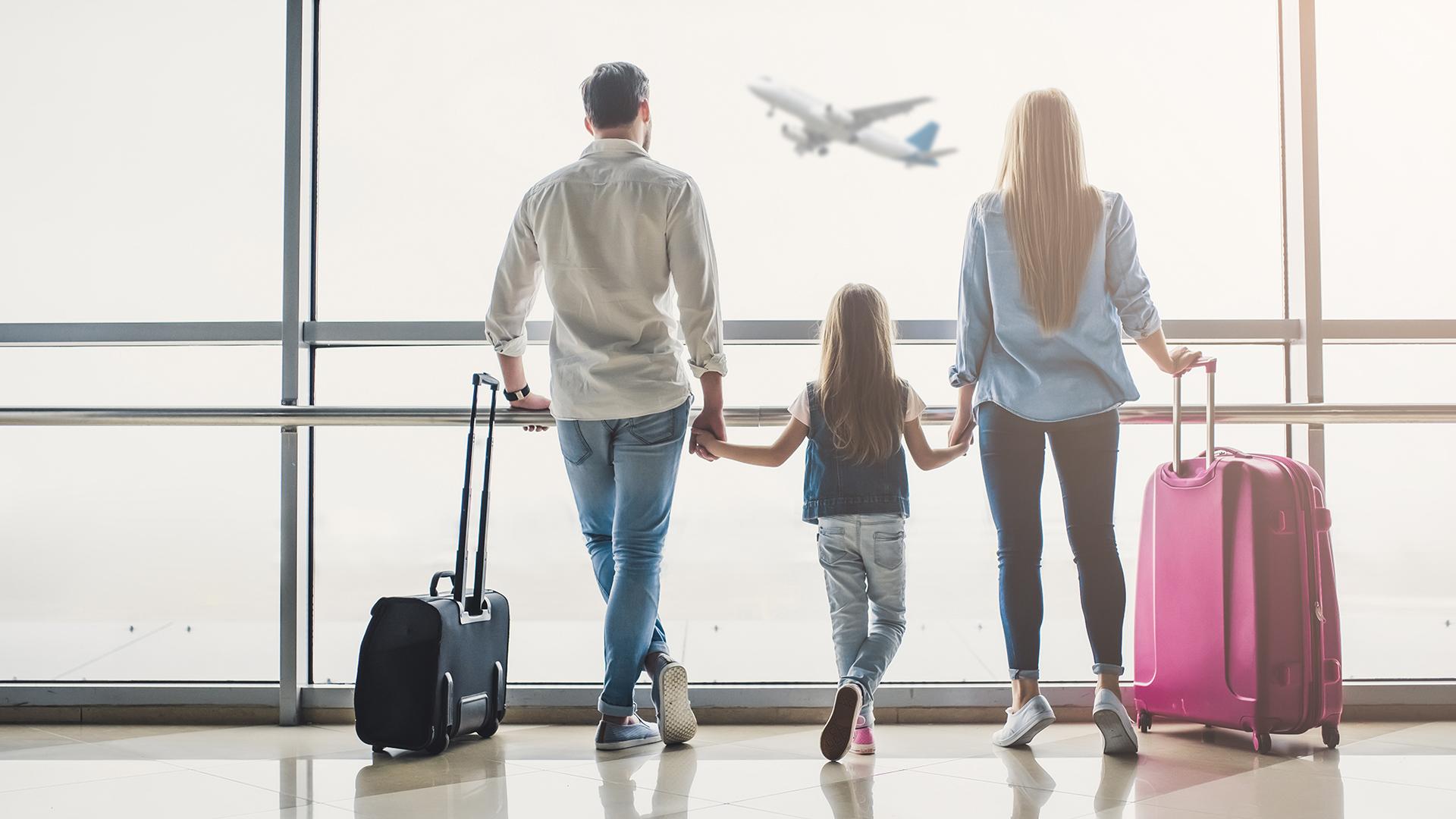
The "State of the American Traveler" report released today highlights a growing sense of caution as 44.7% of travelers now believe the U.S. will enter a recession within the next six months.
While travel remains a priority, the "exuberance" of the post-pandemic era has officially faded, replaced by more deliberate and budget-conscious decision-making. Intent to travel "more" for leisure is down 8.3 points compared to this time last year, as Americans grapple with persistent inflation and high interest rates on travel-related debt.
The 2026 travel market is becoming increasingly divided by income, with households earning over $200,000 planning an average of 4.9 trips this year, while those earning under $50,000 have scaled back to just 3.1.
This "bifurcation" is forcing travel brands to choose between chasing the luxury market or competing on price to capture the value-conscious "deal-seeker." Consequently, 73.2% of travelers say they are now actively seeking out "budget-friendly" destinations, a trend that is benefiting domestic state parks and secondary cities over expensive international hubs.
Planning windows have also "normalized" in 2026, dropping back to an average of 11 weeks as travelers wait longer to commit to their plans in case of financial or geopolitical shifts. Younger segments, particularly Gen Z, are planning on even shorter timelines of just 9.2 weeks, prioritizing flexibility and "last-minute influence" from social media.
This shift is a challenge for airlines and hotels that rely on early bookings to manage capacity, leading to more aggressive "dynamic pricing" strategies powered by the AI tools that 68% of travelers now expect to see.
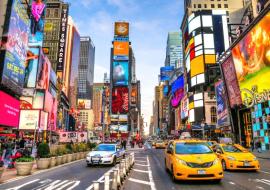
For the travel industry, the message of 2026 is one of "grounded expectations." While people still want to see the world, they are doing so with "sharper priorities," opting for visiting friends and relatives (VFR travel) over expensive bucket-list adventures. Coastal destinations like Los Angeles, New York City, and Miami remain the top domestic choices, but travelers are increasingly looking for "off-the-beaten-path" alternatives that offer the same cultural richness without the premium price tag or the crowds of 2025.