Sustainable Tourism Key to the Caribbean’s Product
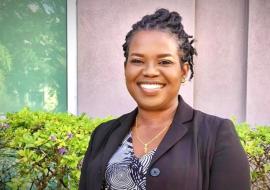
The Caribbean must stop potentially-negative development schemes to secure its future in tourism, U.S. Congresswoman Donna M. Christensen, the non-voting Delegate from the US Virgin Islands to the US House of Representatives, told delegates at the Caribbean Tourism Organization’s State of the Industry conference that cultural heritage tourism and sustainable tourism were “two sides of the same coin”.
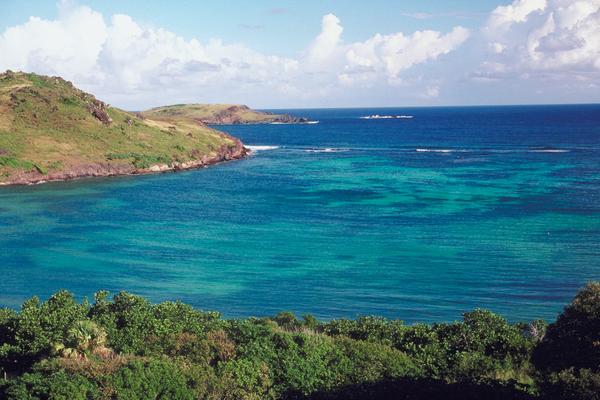
“Emphasizing the first allows us to realize the second and beyond,” she said. “With sustainable tourism we can halt poorly planned development activities that risk the health of our natural resources, the degradation of our reefs – although this also requires full government involvement.
“We can enhance the education and human development of our populace, and it requires including everyone in the planning at the outset so that they will have real ownership not only of the concept and in the implementation as well as importantly in the economic as well as the social benefits of the end product. The full impact of this approach reaches far beyond tourism itself, to the fuller wellbeing and quality of life of all who live in our little pieces of paradise,” Ms. Christensen said.
She said that it was not helpful that in bodies “like the one I serve in [the United States Congress]” there was “denial of climate change and ... human ?involvement in it”.
“That unfortunately has found its expression in legislation that not only seeks to deny it, but worse to reverse regulations put in place to slow climate change and reduce the impacts that we are already experiencing. [T]heir head in the sand posturing has the enormous untoward potential to overturn all that we have done and are doing to improve and strengthen our tourism sector.” The Caribbean, she continued, had frequently been cited as having the most at stake and also likely to have the most devastating impact from the outcomes of climate change. With the region’s limited resources, it is less capable of responding.
“And so despite the heavy costs involved there too, we must plan for adaptation. But we cannot do it singularly; we must pool our resources, our expertise and our influence to do it together,” she noted.
The congresswoman said that the region could not afford not to respond to such threats. Increasing storm impacts, droughts affecting agriculture and landscapes, rising sea levels and degradation of natural and historic resources were critical to the foundation of future tourism.
Quoting from a study “which looked at only nine countries” in the Caribbean, she said that the potential financial costs of climate change to Caribbean tourism would range from US$43.9 billion to $46.3 billion.
Ms. Christensen said it was up to all to come together, as well as Congress, to keep pressure on in order that words translated into action. Elsewhere in her speech she said that the US may not have been as outwardly visible or as evidently vocal as in the past.