The "Great Freeze": Arctic Blast Paralizes Air and Ground Travel Across the U.S., Europe
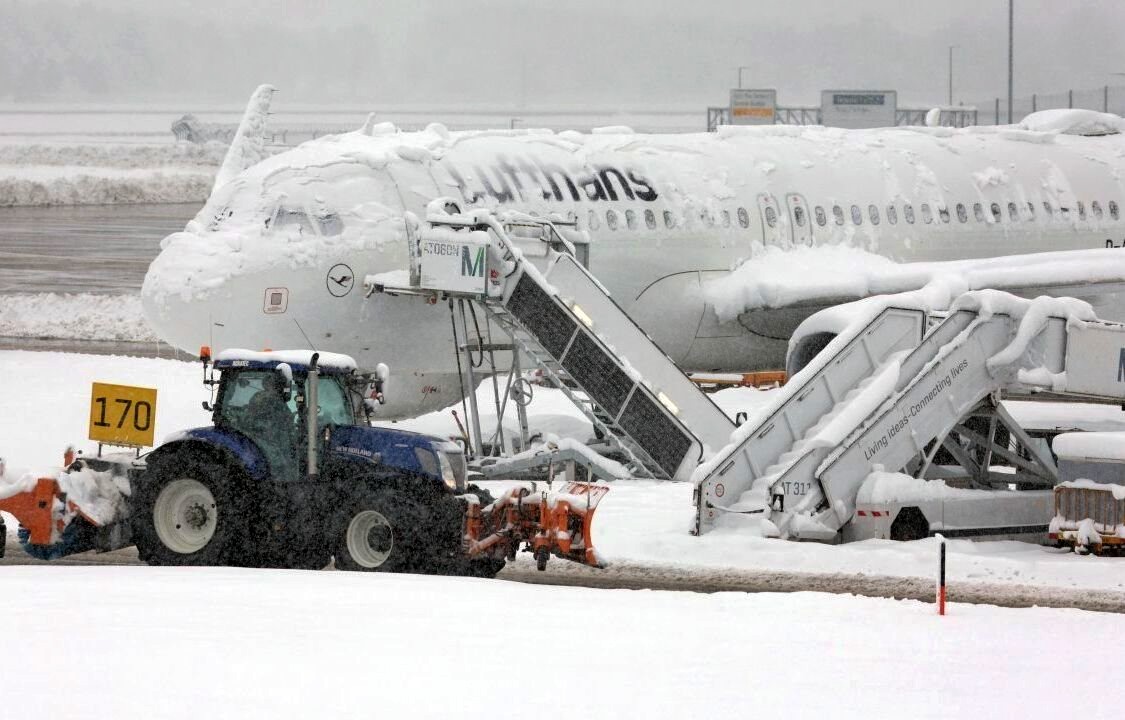
The Northern Hemisphere is currently grappling with one of the most volatile travel weeks in recent history. An unprecedented Arctic blast has crippled infrastructure across the United States and Europe, leaving hundreds of thousands of passengers stranded and forcing airlines to initiate mass cancellations.
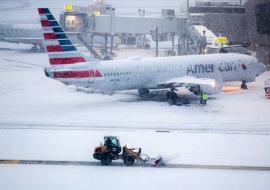
Since early January 2026, the world's most critical transit hubs have been operating at a fraction of their capacity. In Europe, Amsterdam-Schiphol and London Heathrow have borne the brunt of the weather. In a single 24-hour window, authorities reported the cancellation of over 1,500 flights across the continent due to heavy snowstorms and significant ice accumulation on runways.
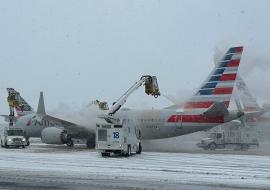
Across the Atlantic, the situation is equally dire. The U.S. Northeast, particularly New York (JFK and LaGuardia), Newark, and Boston, has recorded thousands of disruptions. Plunging temperatures, which in some regions have dropped below -10°F, have made de-icing operations sluggish and often ineffective, making it impossible to maintain scheduled itineraries.
The impact of the extreme weather extends far beyond the tarmac. The cold snap has triggered a series of logistical failures in other sectors:
Rail Networks: In Germany and France, high-speed rail services have faced total shutdowns due to frozen tracks and overhead power line failures.
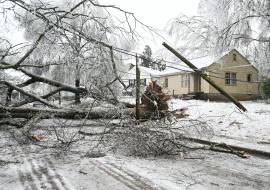
Road Conditions: Authorities in the U.S. Midwest have issued "no travel" advisories as whiteout conditions have reduced visibility to near zero, resulting in massive multi-vehicle pileups.
Stranded Tourists: Popular winter destinations in the Swiss Alps and Scandinavia have become virtually inaccessible, with travelers unable to secure alternative transport as regional airports remain closed.
Airlines have warned that the domino effect of these cancellations will be felt for at least another week. The logistical nightmare of repositioning crews and aircraft, combined with the saturation of customer service channels, has left many travelers with few options.
The National Weather Service (NWS) in the U.S. and European meteorological agencies have kept weather alerts active, warning that even as snowfall tapers off, black ice on runways and highways will continue to pose a critical safety risk.