U.S. Unveils "Digital First" Update to the Visa Waiver Program
The U.S. Department of State officially launched a major modernization of the Visa Waiver Program (VWP) today, introducing a "Digital First" approach designed to streamline entry for millions of international visitors.
The update focuses on the Electronic System for Travel Authorization (ESTA), which will now utilize advanced biometric verification and automated "identity checks" before a traveler even arrives at the airport. These changes are intended to reduce the processing burden at U.S. ports of entry while maintaining the "highest levels of national security" through improved data-sharing with participating nations.
Under the new system, travelers from VWP-participating countries—including most of Europe and parts of Asia—will experience a more "user-friendly" online application process that integrates real-time vetting. The updated ESTA platform is expected to provide near-instant approvals for the vast majority of applicants, allowing for more "spontaneous business and leisure travel." This move is seen as a direct effort to boost international tourism and make the United States a more "competitive destination" in the global market following several years of complex entry requirements.
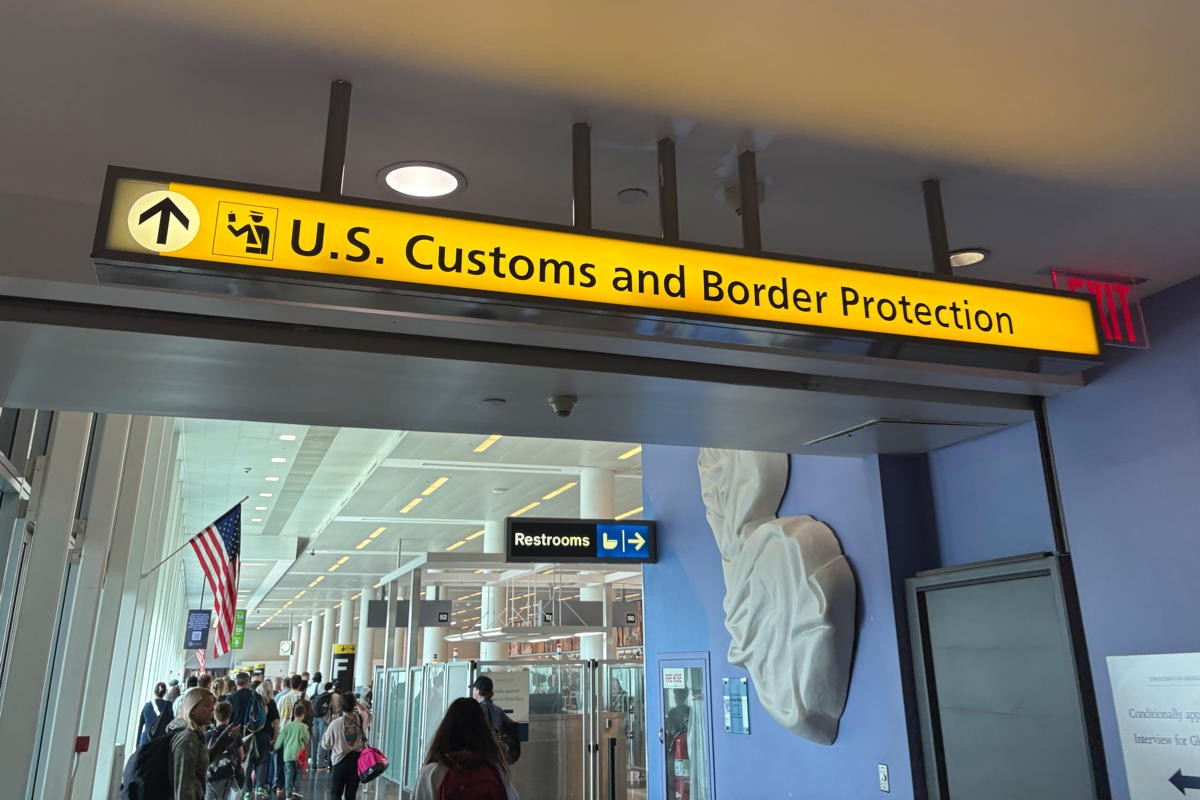
A key feature of the 2026 update is the implementation of automated entry kiosks at major international terminals, which will allow pre-screened travelers to bypass traditional customs lines. This "contactless processing" is part of a broader effort to modernize border security and reduce the physical paperwork required for short-term stays of up to 90 days. For the international explorer, this means that the "arrival experience" in cities like New York, Los Angeles, and San Francisco will be significantly faster and less stressful than in previous years.
Despite the focus on efficiency, officials have emphasized that security vetting remains the program's top priority. The updated system includes "enhanced pre-screening" protocols that allow authorities to identify potential risks earlier in the travel lifecycle. Travelers are still required to obtain their ESTA authorization at least 72 hours before departure, as airlines will be strictly verifying these digital credentials before allowing any passenger to board a U.S.-bound flight.
The announcement has been met with widespread approval from the global tourism industry, with major hotel and airline associations predicting a "measurable surge" in international bookings. By removing the "administrative friction" of travel, the U.S. aims to strengthen its economic ties with partner nations and encourage repeat visits from high-spending overseas tourists. The program will also offer "faster trip planning" for business travelers, who often need to respond quickly to international market opportunities.
Looking ahead, the State Department plans to gradually expand the "Digital First" model to include more participating nations, provided they meet the strict security and data-sharing criteria. This evolution of the Visa Waiver Program reflects a global shift toward "smarter borders," where technology is used to facilitate the movement of legitimate travelers while securing the national perimeter.