Caribbean Travel Shifts as Canadians Avoid "Venezuela Conflict Zones"
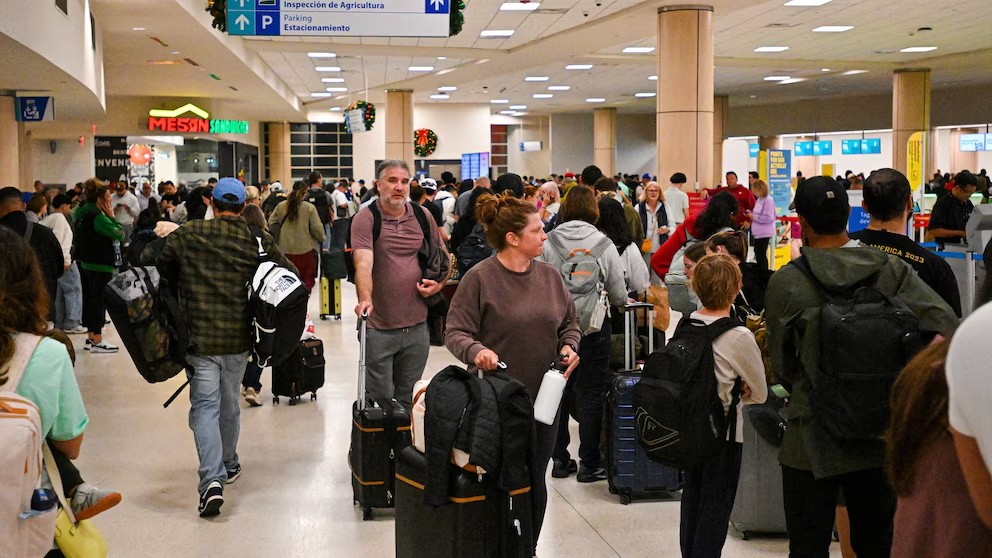
The travel landscape in the southern Caribbean is undergoing a dramatic shift as Canadian and European tourists pivot away from islands located near Venezuela.
Following the U.S.-led capture of Nicolás Maduro earlier this month, travelers are increasingly canceling bookings in Aruba, Curaçao, and Trinidad due to perceived regional instability and military activity. Flight Centre Travel Group reports a significant surge in "rerouted" bookings, with vacationers opting instead for the perceived safety of Jamaica and the Dominican Republic.
The fear of escalating conflict has prompted Air Canada to issue temporary travel advisories for 17 airports in the vicinity of South America, allowing for "no-fee" changes to itineraries.
While the FAA has restricted U.S. airlines from certain flight paths, Canadian carriers like WestJet and Air Transat are technically still operating, though they acknowledge that "passenger confidence is fragile." Social media travel groups are currently flooded with questions regarding the safety of "A-B-C islands" (Aruba, Bonaire, Curaçao), which sit just miles off the Venezuelan coast.
In addition to safety concerns, the region is facing logistical hurdles as displaced Venezuelan vessels and enhanced maritime patrols disrupt standard cruise lanes. Several cruise lines, including Virgin Voyages and Royal Caribbean, have altered their "turnaround" operations in San Juan and Bridgetown to avoid the high-tension zones.
For islands that rely heavily on the winter "high season" revenue, this sudden shift in arrivals is causing economic anxiety, leading local tourism boards to launch "Business as Usual" campaigns to reassure the international market.
As the situation matures, the Caribbean Tourism Organization is working to clarify that the majority of the archipelago remains unaffected. However, the "Venezuelan ripple effect" is expected to influence cruise pricing and hotel occupancy through February.
For the 2026 traveler, the southern Caribbean has temporarily moved from a "relaxing escape" to a "geopolitical watch-zone," highlighting how quickly regional conflict can redraw the map of global leisure travel.