Global Momentum: WTTC Forecasts Massive Tourism Expansion Despite Geopolitical Headwinds
by Maria Carrasco Lloria
The World Travel & Tourism Council (WTTC) has released a transformative outlook for the global travel industry, projecting that the sector’s total contribution to the global economy will hit a staggering $12 trillion by the end of 2026.
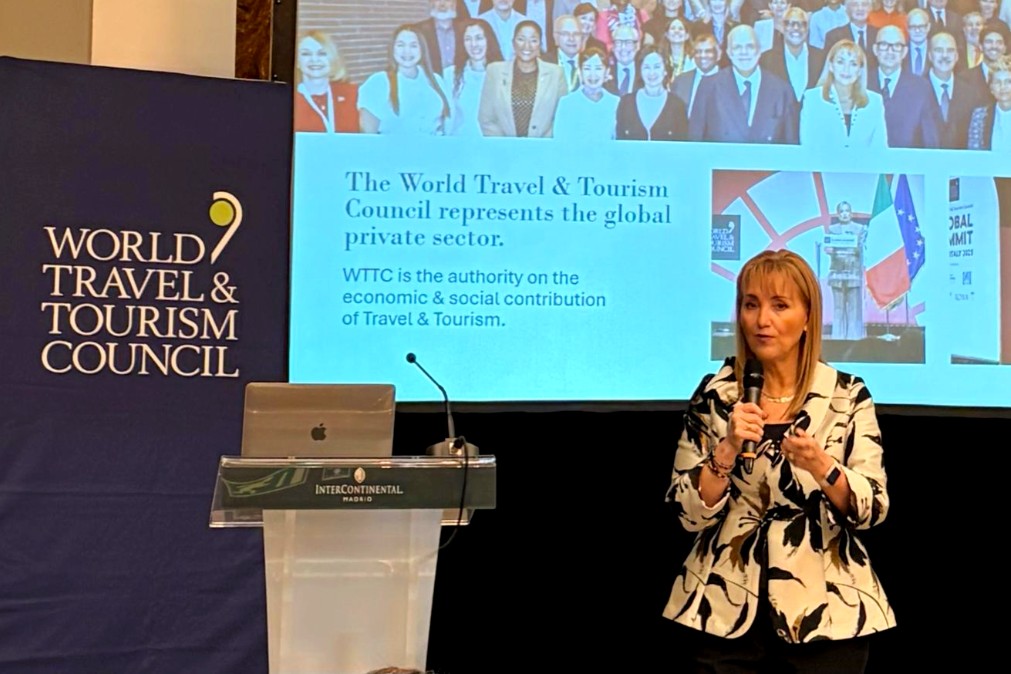
During a press briefing held at the Hotel Intercontinental in Madrid, WTTC President Gloria Guevara unveiled data indicating that tourism remains the fastest-growing sector on the planet. This surge follows a robust 2025, where the industry grew by 2.8%, effectively outpacing the broader global economic growth rate of 2.4%.
While the numbers are overwhelmingly positive, the council noted that growth remains unevenly distributed due to current geopolitical tensions. While China, Saudi Arabia, and France are leading the world in tourism spending, the Middle East is facing immediate contractions linked to regional instability.
However, travelers are not stopping; they are simply shifting their itineraries. Nations like Egypt and Turkey are reportedly absorbing the demand originally destined for conflict zones, as international travelers prioritize safety and perceived value.
The report highlights a significant shift in traveler behavior, with a growing emphasis on the "high-value" traveler. In destinations like Spain, this demographic is driving record-breaking revenues through increased spending on gastronomy, leisure, and cultural experiences.
Furthermore, international arrivals are expected to climb from 1.46 billion to 1.54 billion annually, with Europe remaining the primary magnet, hosting one out of every two global visitors. The Asia-Pacific region, however, is identified as the leader in regional growth, fueled by the full recovery of the Chinese domestic market.
Aviation connectivity is also undergoing a massive re-optimization. Major carriers like Iberia and British Airways are reinforcing strategic routes to Latin America and Australia, respectively, while cutting less profitable connections. The WTTC warned that while jet fuel prices and maritime disruptions pose logistical risks, the industry is mitigating these through fuel hedging and advanced supply chain planning. The council stressed that freedom of navigation and open maritime corridors remain essential for the long-term stability of the sector.
Looking toward the next decade, the WTTC envisions an even more dominant role for the industry, with employment in tourism projected to reach 376 million jobs by 2036. This means that one out of every three new jobs created globally over the past five years is linked to this sector. The upcoming 2026 FIFA World Cup is also cited as a primary catalyst for travel in the Western Hemisphere, with massive infrastructure investments already underway to accommodate millions of fans.
As the industry prepares for the Global Summit in La Valletta, Malta, this October, the focus remains on sustainable tourism and public-private collaboration. The WTTC urged governments to avoid over-tourism in mature destinations through strategic planning and to continue investing in agritourism and regenerative travel. For the global travel sector, the message is clear: despite the shadow of conflict, the desire for international connectivity and cultural exchange continues to drive an unprecedented economic expansion.