
Latin America Gains Momentum as a Global Tourism Powerhouse
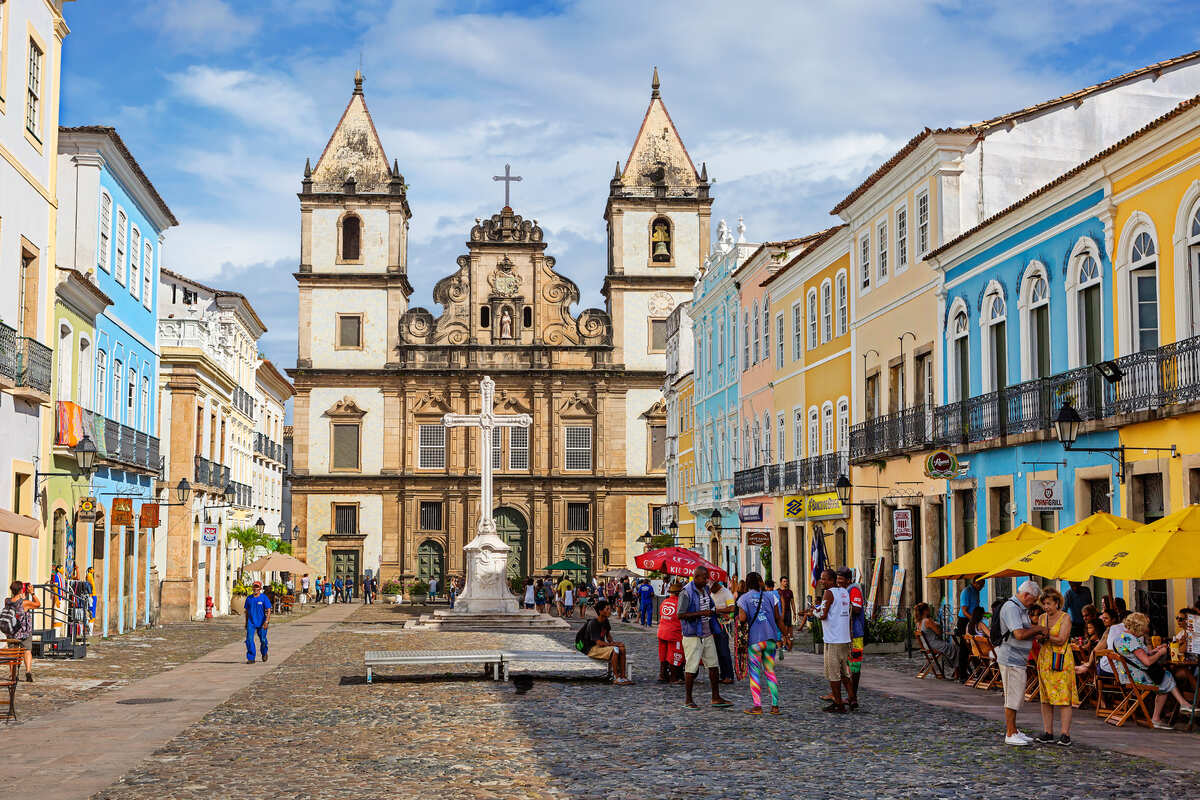
Latin America is solidifying its position as one of the most dynamic regions for international travel in the summer of 2026, according to recent analysis from Data Appeal Mabrian.
The region has seen a robust increase in global travel intentions, now accounting for 3.38 percent of all international interest for the June through August period. This represents a significant year-on-year growth that places Latin America as the third most sought-after region globally, trailing only Southern Europe and North America, and demonstrating a successful expansion of its reach into new, long-haul source markets.
Peru, Brazil, and Mexico are emerging as the primary drivers of this growth, thanks to their diverse range of offerings that blend cultural heritage with natural landscape assets. Brazil, in particular, has seen a major boost in connectivity, headlined by the inaugural launch of long-haul services linking Rio de Janeiro directly to New York. This strategic pivot for carriers like GOL is a clear signal that the market for premium, nonstop travel between the Americas is heating up, with more widebody capacity expected to enter the region by the end of the year.
The increase in demand is also reflected in the shifting behavior of international travelers, who are increasingly prioritizing destinations that are perceived as both accessible and rich in unique, non-replicable experiences. As geopolitical tensions and route diversions continue to affect traditional travel corridors in Asia and the Middle East, many long-distance travelers are naturally gravitating toward the familiar and accessible markets of Latin America. This "flight to quality" is allowing countries like Guatemala and Aruba to see elevated prominence, particularly in segments like urban, cultural, and sun-and-beach tourism.
Despite this positive momentum, the region is managing significant operational challenges, including the need to maintain safety and crowd control in the wake of high-profile global sporting events. Recent warnings from embassies regarding large-scale gatherings in major Mexican hubs highlight the ongoing necessity for clear communication and proactive infrastructure management. Local tourism authorities are working hard to balance the influx of fans and leisure visitors with the need for security, ensuring that the surge in popularity does not compromise the quality of the visitor experience or the safety of local residents.
Furthermore, the rise of digital integration in the Latin American travel sector is making it easier for consumers to navigate the region’s diverse landscape. New booking platforms and real-time connectivity data are allowing travelers to craft highly personalized itineraries that go far beyond the traditional tourist circuits. This digital maturity is helping smaller, emerging destinations gain visibility, effectively distributing the economic benefits of tourism more broadly and reducing the strain on the most popular coastal and urban heritage centers that have historically borne the brunt of over-tourism.
As we move into the second half of 2026, the overall outlook for the region remains highly optimistic. The success of the current season is reinforcing the competitive standing of Latin America as a viable, attractive alternative to other, more crowded global markets. With continued investment in aviation capacity and a focus on maintaining a sustainable, high-quality visitor experience, the region is poised to maintain its upward trajectory, continuing to serve as a vital engine for growth in the global tourism sector for years to come.