FAA Issues Emergency Airworthiness Directive for Boeing 737 Max 10
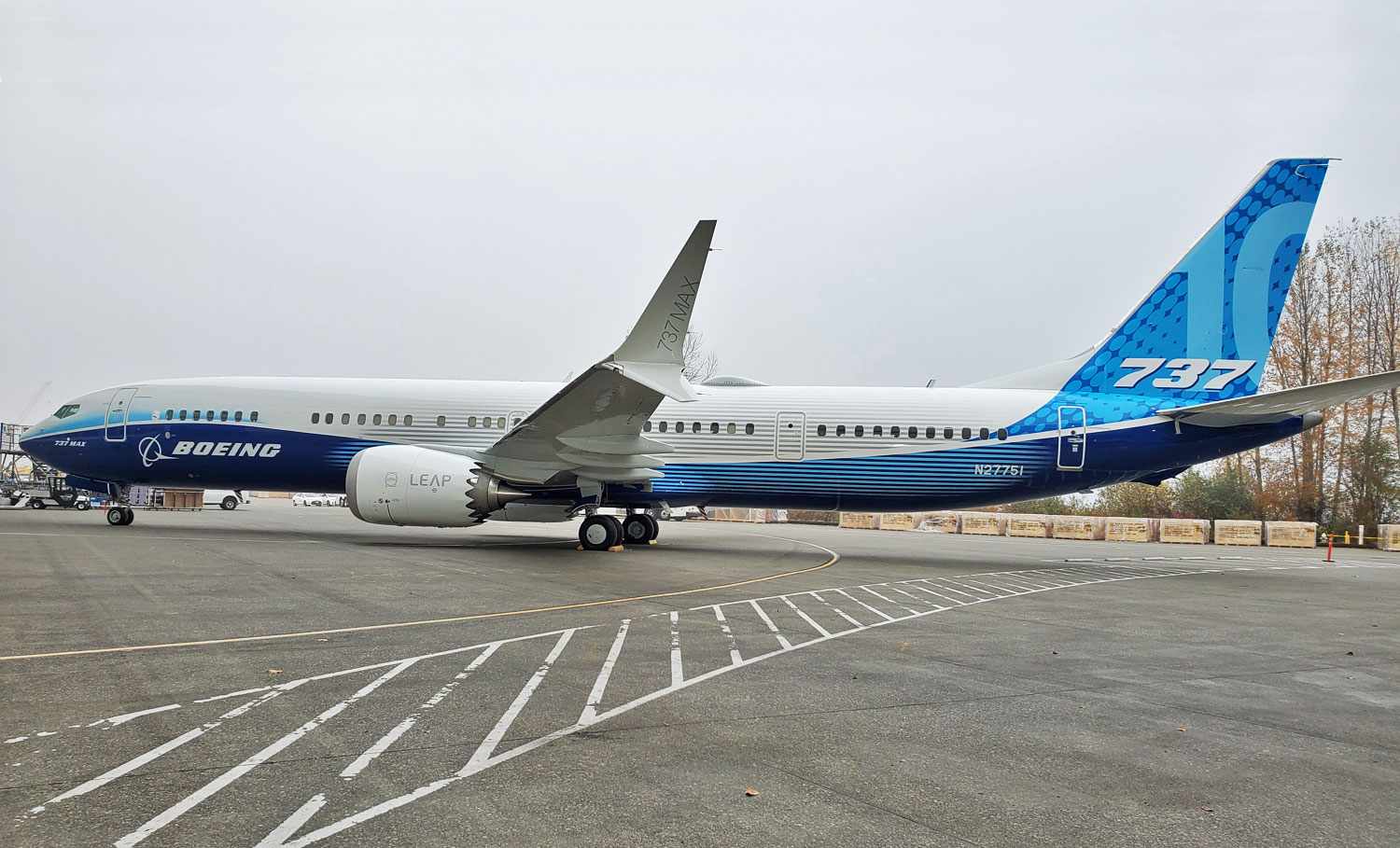
The Federal Aviation Administration (FAA) issued an Emergency Airworthiness Directive (EAD) today targeting the newly certified Boeing 737 Max 10 fleet. The directive follows a "technical anomaly" discovered during a routine maintenance check by United Airlines, involving the aircraft's secondary flight control computer.
According to the FAA, a specific software glitch could potentially lead to "uncommanded pitch maneuvers" under rare atmospheric conditions, necessitating an immediate inspection of all airframes currently in service.
Boeing has responded by deploying "Aviation Support Teams" to major hubs in Chicago, Denver, and Houston to assist carriers with the required software patches. While the manufacturer maintains that the safety margin of the aircraft remains "well within regulatory limits," the EAD has triggered a wave of "precautionary cancellations" across North America.
United Airlines, the largest operator of the variant, has grounded 42 aircraft today, leading to significant passenger displacement and a scramble for "spare capacity" from regional partners.
For the 2026 business traveler, this development represents a "frustrating setback" in what has otherwise been a record-breaking spring season. Aviation analysts suggest that the "regulatory scrutiny" on Boeing remains "extraordinarily high," as the agency seeks to maintain public confidence following previous years of industrial challenges.
Travelers are being urged to "confirm their equipment type" via airline apps, as many Max 10 routes are being "subbed with older 737-800s" or Airbus A321s to maintain schedule integrity.
The "financial impact" of the grounding is expected to be "short-lived but sharp," with Boeing potentially facing compensation claims for the operational disruptions. However, the FAA's "proactive stance" is being hailed by safety advocates as a necessary evolution in "real-time oversight."
As the "software updates" are rolled out over the weekend, the industry is hopeful for a "swift return to service" for the newest member of the Max family. This "technical hurdle" serves as a reminder that the "path to innovation" is often paved with rigorous and "uncompromising safety checks."