Aviation Industry Pivots to Biometric Border Solutions
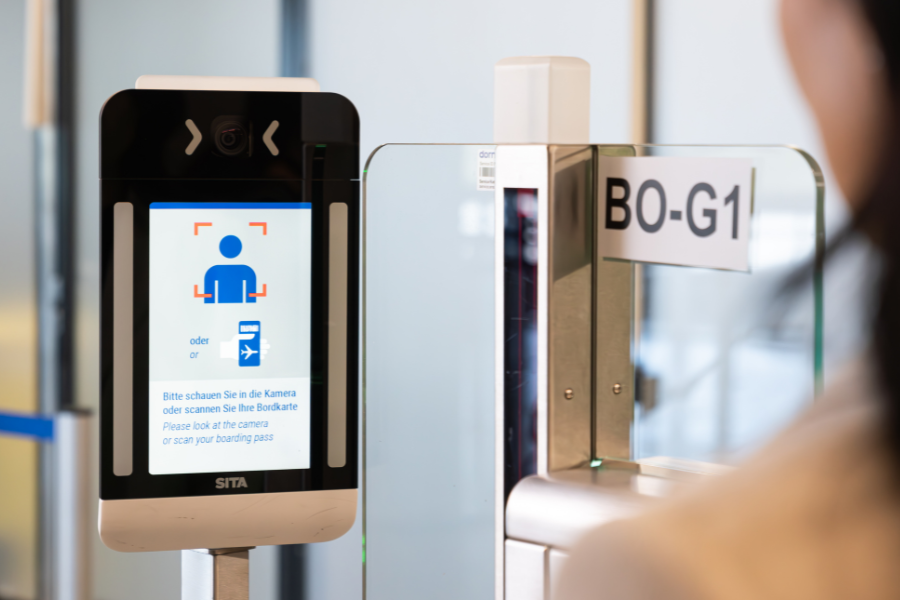
To accommodate a projected 10 billion passengers by 2050, the global aviation industry is accelerating its transition toward biometric border clearance and advanced digital identity management. Airports in major hubs, including Singapore and Aruba, have already implemented sophisticated digital credential initiatives, reporting efficiency gains that allow them to process passengers nearly 80 percent faster than traditional, manual document checks.
Industry leaders emphasize that the future of air travel capacity will be defined by "invisible" digital journeys that utilize AI-driven operations and facial recognition to manage rising throughput without the need for massive, disruptive terminal construction.
The implementation of these technologies represents a fundamental shift in how the industry views airport infrastructure, moving away from a reliance on physical queues and toward a seamless, flow-through processing model. By utilizing encrypted digital IDs, airports can effectively automate the security verification process, reducing congestion and allowing airline staff to focus on more complex customer service needs. This move toward "invisible border" solutions is considered a technological necessity, as the physical footprint of most major airports cannot be easily expanded to meet the accelerating demand for international travel.
However, the widespread adoption of biometric data at border crossings is not without its challenges, particularly regarding international standardization. Ensuring that digital identities are interoperable across different nations and airline networks is the primary hurdle currently facing aviation authorities. Efforts are actively underway through international bodies to establish a common "trust framework," which would allow passengers to securely share their biometric data across borders, effectively creating a unified digital credential that remains valid regardless of the flight route or destination.
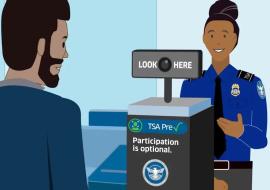
Security and data privacy remain at the forefront of the conversation, with the industry investing heavily in robust encryption and cybersecurity to protect sensitive traveler information. Proponents argue that biometric systems are significantly more secure than traditional passports or paper documents, which are inherently more prone to loss, theft, or forgery. The focus of current policy is on maintaining transparency and ensuring that travelers have the ability to opt-in, guaranteeing that they remain in control of their own data while benefiting from the increased speed and convenience of the digital process.
In Europe, the implementation of the Entry/Exit System (EES) continues despite calls from some airport operators for a temporary suspension due to concerns over potential bottlenecks. European authorities have confirmed that biometric border controls are a permanent and essential part of their long-term border modernization strategy, intended to strengthen security and streamline movement across the Schengen Area. This decision highlights the commitment of major regions to prioritize long-term, technology-driven security over short-term operational convenience, even during peak summer travel periods.
Ultimately, the aviation industry is at a critical juncture where technology is evolving from an operational luxury into an absolute survival requirement. As passenger volumes continue to climb toward the 2050 targets, the ability to process travelers efficiently within existing airport footprints will be the key differentiator for top-tier travel hubs. By fully embracing digital identity and AI-integrated security, the aviation sector is setting the stage for a future where global mobility is not constrained by the physical limits of land or terminal capacity, but is instead facilitated by secure, agile, and high-speed data systems.